
Shipping Belongings to the Philippines: Container or Box?
Overview
Every family I know who's moved to the Philippines has stood in their garage at some point, staring at boxes, asking the same question: do I ship this or do I let it go? I've watched people spend more on freight than their stuff was worth, and I've watched people sell everything and regret it a year later. There's no single right answer, but there is a wrong instinct, and it's shipping everything "just in case." Set a budget for the move first — see our first 90 days moving budget guide — and let that number, not sentimentality, decide what crosses the ocean.
This guide covers the three ways people actually move their stuff here, what customs really allows, what it costs based on what other movers report paying, and what I'd ship versus leave behind.
The Three Real Options
There are really only three ways to do this, and most people end up mixing two of them.
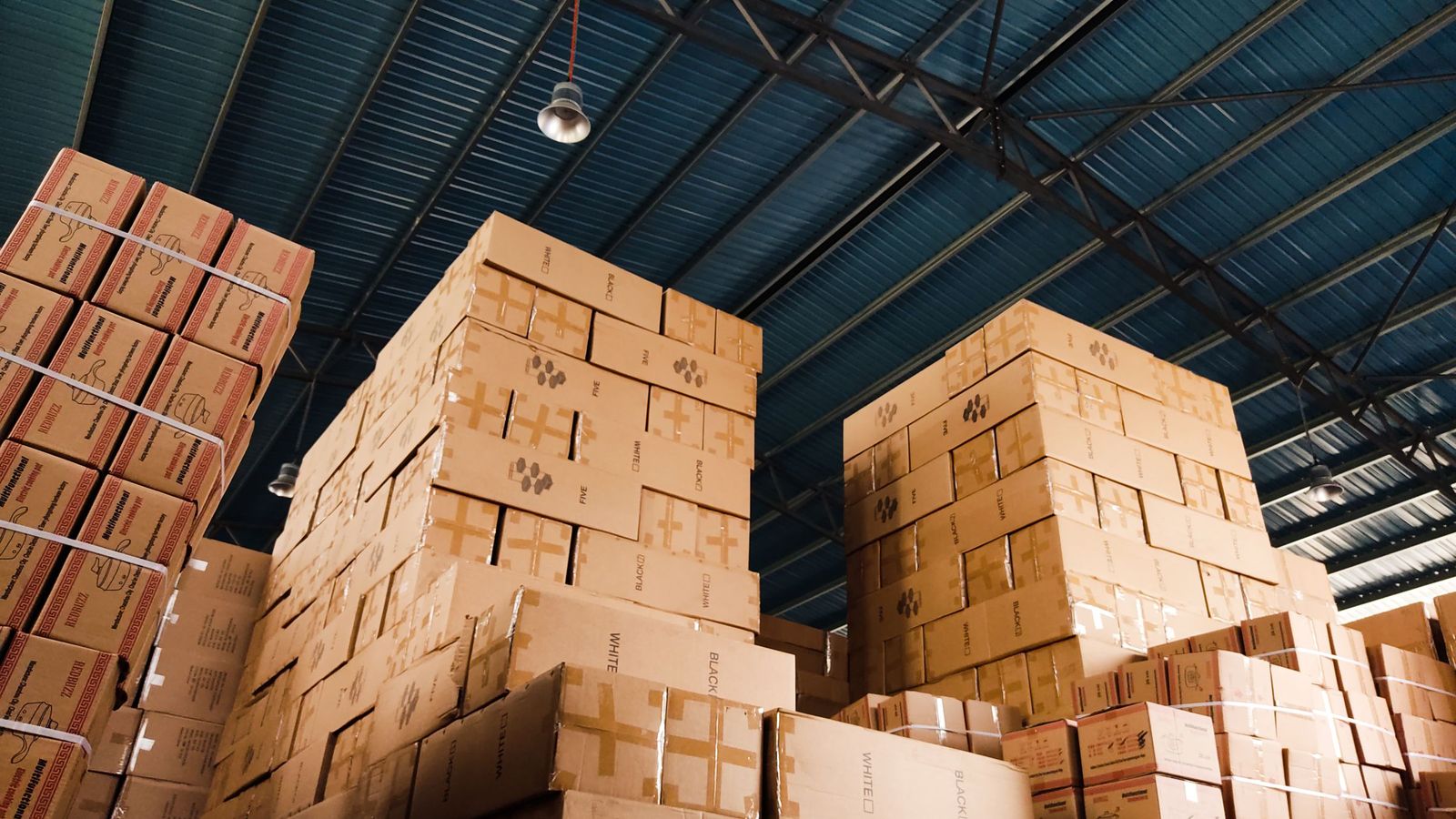
The first is a full shipping container — 20-foot or 40-foot, sea freight, for people bringing an entire household. The second is the balikbayan box, the classic cardboard box every Filipino family abroad knows, shipped through a cargo company by sea or air. The third, and the one I think is underrated, is baggage plus buying new: you fly with what fits and replace the rest once you land. A container only pays off if you're bringing furniture and a full kitchen in enough volume that box-by-box shipping stops being cheaper. Baggage-and-buy is the right answer for almost everyone who isn't moving a five-bedroom house.
What Philippine Customs Actually Allows
The rule that matters here is Section 800 of the Customs Modernization and Tariff Act, and it's more specific than most people expect. Duty and tax-free privileges apply to four groups: returning Filipino residents who've been abroad at least six months, OFWs, "overseas Filipinos" (Filipinos or their descendants who are now citizens or residents elsewhere and are coming to resettle), and balikbayans — defined as Filipino citizens continuously abroad at least a year, OFWs, or former Filipino citizens naturalized abroad, along with their families.
For returning residents, the privilege covers personal and household effects — clothing, personal items, toiletries, tools of your profession — but specifically excludes luxury items, vehicles, watercraft, aircraft, and animals. The value caps depend on how long you were away: PHP 350,000 if you were gone at least 10 years and haven't used the privilege in the prior decade, PHP 250,000 for 5 to 10 years abroad, and PHP 150,000 for less than 5 years. Anything over the cap gets taxed at the normal rate. Returning OFWs get an additional allowance for home appliances, one of each kind per calendar year.
Balikbayan boxes specifically: personal and household effects only, no commercial quantities, FCA value capped at PHP 150,000, and you can use this privilege up to three times a year. Go over the cap and the excess is dutiable.
For timing under the CMTA rules: treat 60 days from your arrival as the official default window for getting personal/household effects in under the privilege — DOF endorsement within 60 days of arriving is the planning number this guide uses.
One honest note: the Philippine Consulate General in New York still publishes an older page citing a PHP 10,000 personal-effects exemption under the old Tariff and Customs Code. The CMTA Section 800 figures above are what's in force, and they're far more generous. If the numbers you're reading elsewhere don't match what's here, the older page is the one that's wrong.
If You Are Not a Filipino Citizen
If you're not a Filipino citizen and not married in a way that gives you access to the returning-resident or balikbayan categories above, the customs privilege described in Section 800 mostly doesn't apply to you directly — it's built around Filipino citizenship, former citizenship, or OFW status. This is where your visa category matters.
According to a moving company's published customs summary (Rainier Overseas Movers — a mover's read of the rules, not an official government statement), holders of 9G, 13G, 13A, 9D, 47A2, SRRV, and EO 226 visas are described as eligible for full tax exemption on household goods, applied for through the Department of Finance. Treat the CMTA 60-day arrival window as the official default for planning. Some movers cite 90 days from the latest passport arrival stamp — verify that with your broker or mover; don't treat 90 days as law.
If you hold a 13A visa through marriage to a Filipino citizen, this is likely your path. The application still goes through DOF, and it still requires paperwork — nobody in this process skips that step.
What Shipping Actually Costs
Wise's 2026 pricing guide gives indicative sea freight rates from the US: small box from USD 47, medium from USD 74, large from USD 96, XL from USD 115. Wise is upfront that these numbers are indicative and based on a single courier, and that sea freight is the cheap option while air freight is faster and a lot more expensive. Box dimensions vary by company, so the size names mean less than you'd think — checking actual dimensions in centimeters matters more than the label on the box.
Reader reports on r/Philippines_Expats paint a rougher picture than the official pricing pages. One thread has readers reporting USD 85 per LBC XL box with no weight limit, with USD 85–110 described as the normal range, and shipping cheapest out of the west coast. LBC requires you to use their own boxes, and transit typically runs 6–8 weeks. LBC and Atlas both come up as reliable names in that thread.
Containers are a different order of cost. In a separate thread, readers on r/Philippines_Expats report a 20-foot container quoted around USD 4,500–7,000, and one reader who shipped a 40-foot container from Florida paid about USD 15,000 and expected roughly USD 3,000 more in duties and VAT because they didn't hold an SRRV. That same reader also shipped 30 balikbayan boxes through UMAC for a little over USD 3,000 — about USD 100 a box — and those arrived in about a month and a half, cheaper per item than the container. A long-time commenter summed it up well: what the websites say and what actually happens once your stuff is in the Philippines can be two completely different things. Several readers in that thread argue flatly that buying new in the Philippines beats shipping, once you add up freight, duties, and the wait. If you're wiring funds ahead of a move to cover deposits or a mover's invoice, our guide to sending money to the Philippines covers the transfer side of that.
The 220-Volt Problem
The Philippines runs on 230 volts nominal (that's Meralco's figure, citing the Philippine Electrical Code; many appliance labels say 220 V) at 60 Hz, using socket types A, B, and C.
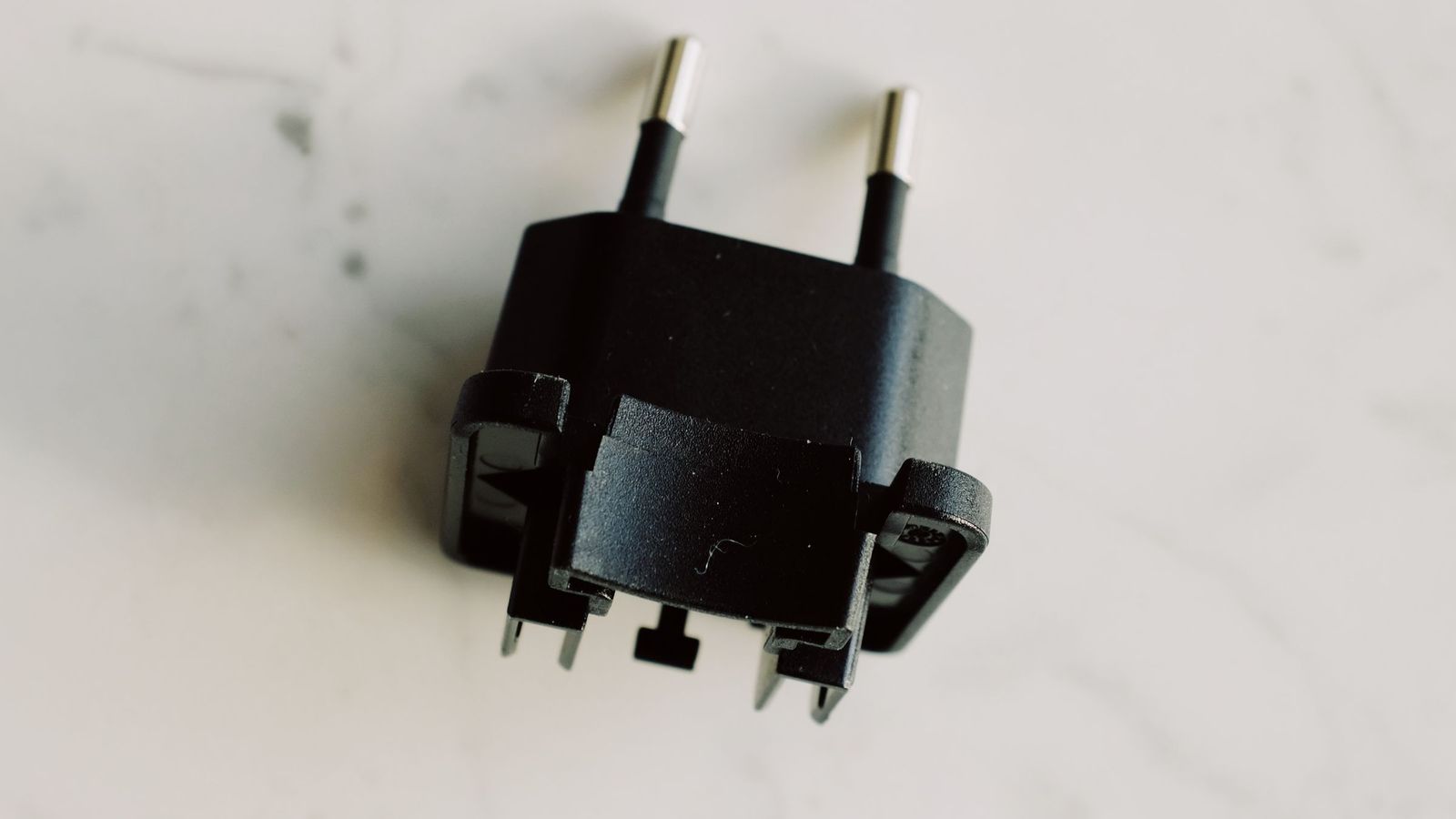
Types A and B are the same flat plugs used in the US, so your American power strip will physically plug into a Philippine outlet without an adapter. That's the trap — the plug fits, but the voltage is still double what most US appliances are built for. Anything rated for 120V only — most hair dryers, a lot of kitchen appliances, older electronics — needs a step-down transformer, not just an adapter, or you'll burn it out the first time you use it. Check the label on anything you're considering bringing: if it says something like "100–240V" or "110–220V," it's dual-voltage and only needs a plug shape adapter, no transformer required. If you're renting, check what's already wired in during your housing search before deciding which electronics are worth a transformer.
What to Ship, What to Leave, What to Buy There
Here's where I'll actually tell you what I'd do, based on the rules and the reader reports above, not split the difference.
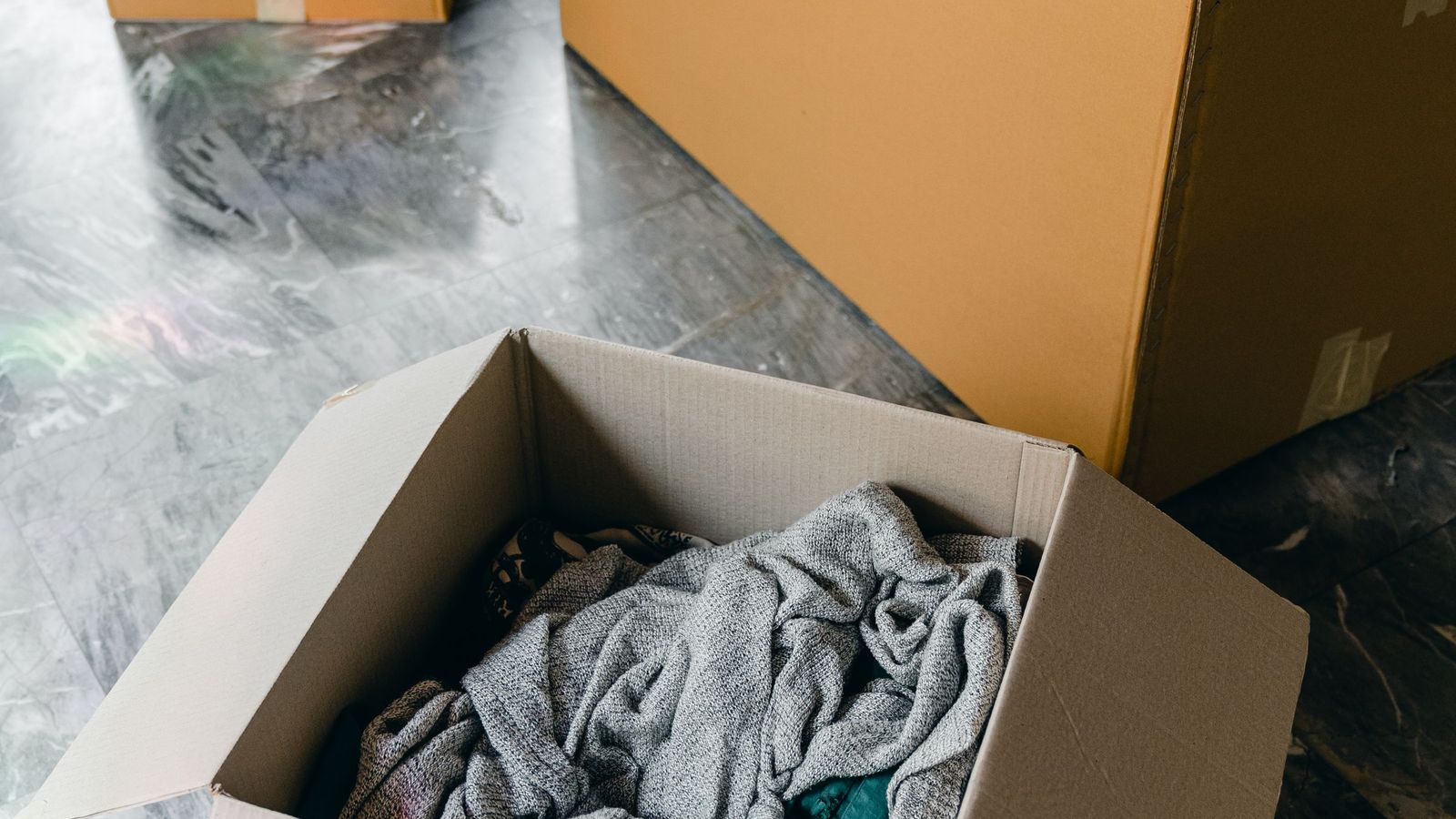
Ship: clothing, personal documents, sentimental items, tools of your profession, and dual-voltage electronics that don't need a transformer. These sit cleanly inside the personal-and-household-effects category, they're light relative to their value, and balikbayan boxes handle them fine.
Leave, or sell before you go: your car. Vehicles are excluded from the duty-free privilege, and Rainier's mover summary notes that non-diplomatic owners face duties and VAT assessed up to 90% of the vehicle's value, plus a permit you need before you leave. That math almost never works — our transportation guide covers how people get around without a shipped-in car. Leave large 120V-only appliances too: the transformer, the freight, and the odds of it dying on arrival usually beat just buying a 220V version locally.
Buy there: furniture, large appliances, and anything heavy relative to its value. Readers in the container thread were blunt about this — several said buying new beat shipping once they tallied freight and duties. Manila and Cebu both have functioning appliance and furniture retail, so "I'll just buy it there" isn't a compromise, it's often the smarter move. And mind the caps: PHP 150,000 FCA value per balikbayan privilege use, PHP 150,000–350,000 for returning residents depending on years abroad. Ship more than that and you're paying duty on the excess regardless of which box it's in.
Timing and Paperwork
The paperwork is the part people underestimate. To get the duty-free privilege, you need a written endorsement from the Department of Finance — not a form you get at the port, an actual approval you should ideally get before you leave your home country, or within 60 days of arriving. The request letter goes to the Secretary of Finance at the DOF Building, Mabuhay Lane Office, BSP Complex, Roxas Boulevard, in Manila. You'll need the airway bill or bill of lading, a commercial invoice and packing list, your passport, an affidavit of ownership that's been consularly notarized or authenticated, and — if you're married to a Filipino citizen — your marriage contract. If you got your Filipino citizenship back after naturalizing abroad, add the Oath of Allegiance and the Order Granting Filipino Citizenship.
Once your shipment arrives, the Bureau of Customs requires the Goods Declaration to be filed within 15 days of the last package being discharged from the vessel or aircraft. If your documents aren't complete, you can file a Provisional Goods Declaration and get 45 days to complete it, with one 45-day extension possible for valid reasons. On the mover's side, Rainier reports that everything gets a 100% inspection and x-ray or scan at the port — no shipment skips this except diplomatic ones. Expect 3–5 working days for air shipments where duties are paid outright, more like 10–15 days if you're running the tax-exemption paperwork instead. Sea shipments run 7–15 days depending on container type and whether you're claiming the exemption. While you're waiting on all this, it's worth having a banking setup ready here so you're not scrambling to pay duties or mover invoices in cash.
Frank's Take
If you're asking me straight up: ship boxes, not a container, unless you're genuinely moving a full house and have the SRRV or visa status to make the tax exemption clean. The container math only works out if you're bringing enough volume to offset a five-figure freight bill, and even then, one reader in that thread still ate roughly USD 3,000 in duties because they didn't have an SRRV. Balikbayan boxes through LBC, Atlas, or UMAC are cheaper per item, faster to reason about, and the six-to-eight-week wait is honestly fine for most people's timelines.
The bigger mistake I see isn't the wrong shipping method — it's shipping too much. Sentimental stuff, documents, clothes, your tools: bring those. Your microwave, your recliner, your car: sell them and buy the local version once you're settled. The people who regret their move financially are almost never the ones who under-shipped.
FAQ
Do I have to pay duty on my balikbayan box?
Only if its value goes over the PHP 150,000 FCA cap under the balikbayan privilege, or if you've already used that privilege three times in the calendar year. Under the cap and within the usage limit, it's duty-free.
Can I ship my car to the Philippines?
You can, but it's excluded from the duty-free household-effects privilege entirely. Non-diplomatic owners face duty and VAT assessed up to 90% of the vehicle's value and need a permit arranged before departure. Most people are better off selling the car at home.
How long does a balikbayan box actually take to arrive?
Reader reports put typical sea transit at 6–8 weeks through LBC. One reader's 30 boxes through UMAC arrived in about a month and a half.
I'm not Filipino — does the duty-free privilege still apply to me?
Not directly under Section 800, which is built around Filipino citizenship or former citizenship. A moving company's published summary (Rainier Overseas Movers — labelled, not official law) describes holders of visas including 13A and SRRV as eligible for a separate full tax exemption applied for through the Department of Finance. Plan around the CMTA 60-day window as the official default; if your mover cites 90 days, verify with them and the DOF before you ship.
More Expat Guides
- ›
ACR I-Card for Foreigners in the Philippines: Who Needs One
A plain-English guide to the Philippine ACR I-Card: who needs one, the day-59 rule, applying and renewing, BI's posted fees, the Annual Report and leaving.
- ›
How to Open a Bank Account in the Philippines as a Foreigner
What ID each visa status needs, which banks accept foreigners, and a step-by-step checklist for opening a Philippine bank account. Updated 2026.
- ›
Panglao, Dauis or Tagbilaran for a long stay
A practical comparison of where to live in Bohol for expats and digital nomads.
- ›
Can Foreigners Buy Property in the Philippines?
What foreigners can legally own in the Philippines: condo caps, land leases, marriage and former-Filipino rules, purchase taxes and fees, and moving the money.
- ›
Cebu IT Park vs Cebu Business Park
Cebu IT Park vs Business Park for expats — walkability, condos, PRA access, Sugbo Mercado, and which district fits nomads vs retirees.
- ›
Getting a Philippine Driver's License as a Foreigner
How to convert your foreign driver's license or get a new one in the Philippines — the 120-day rule, LTO requirements, fees, and what the process actually feels like.
- ›
Dumaguete, Valencia or Dauin: Which Fits Retirement?
Compare Dumaguete city, Valencia in the mountains, and Dauin on the coast — SRRV counts, hospitals, vibe, and who each spot fits.
- ›
Education and Schools in the Philippines
How to compare school places, curricula, full fees, calendars, and homeschooling options before an expat family moves.
- ›
ECC Exit Clearance: When Foreigners Need It to Leave PH
The Emigration Clearance Certificate explained: who needs it, ECC-A vs ECC-B, timing, and how to avoid getting stopped at the airport.
- ›
First 90 Days in the Philippines: A Moving Budget
Build a realistic Philippines moving budget for your first 90 days, including housing, deposits, monthly costs, visas, and setup.
- ›
GCash for Foreigners: GTourist vs Full Verification
What actually works for foreigners on GCash: the 30-day GTourist route, the resident ID list, real wallet limits, and where each path breaks down.
- ›
Healthcare and Health Insurance in the Philippines for Expats
Expat medical insurance in the Philippines, compared: PhilHealth, local HMOs and international plans — what to buy first and what each layer covers.
- ›
Finding Housing in the Philippines — Rent Bands & Trial Stays
Compare rent bands by city, then book a 2–4 week Agoda trial stay before you pay 3 months upfront — plus SafetyWing, Wise and budget next steps.
- ›
Internet in the Philippines
ISP comparison, speeds, reliability, backup options, and how to get connected as an expat.
- ›
Keeping a US Phone Number Abroad for Bank Verification
How expats in the Philippines keep a US number for bank codes: carrier Wi-Fi calling, Google Voice, NumberBarn, costs, and 2FA backups.
- ›
Making Friends in the Philippines as a Foreigner
How friendships actually form in Metro Manila, where they happen, and why the first easy connections rarely turn into real barkada.
- ›
Moving to the Philippines with Pets
How to bring a dog or cat to the Philippines: BAI SPSIC permits, vaccination rules, airline cargo policies, fees, and arrival quarantine.
- ›
Bringing Prescription Medicine Into the Philippines
What you can legally carry, the 30-day controlled-drug limit, and how to keep a US or UK prescription running once you're based here.
- ›
Retirement & Pension in the Philippines: Getting Paid, Taxes and How Much You Need
How US Social Security and UK, Australian and Canadian pensions reach the Philippines, how they're taxed, and how much you need to retire here in 2026.
- ›
Retiring in the Philippines (2026): A Readiness Checklist
A plain checklist for retiring in the Philippines: visa, healthcare, pension income, housing and budget, plus how to test a town before you commit.
- ›
Safety in the Philippines: What Expats Actually Experience
What the crime data actually says, where risk changes by region, the scams foreigners run into most, and what to do if something happens.
- ›
SafetyWing in the Philippines: When It Fits (vs World Nomads)
Buy or skip SafetyWing for a Philippines stay: Essential vs Complete, honest World Nomads comparison, island medevac reality — plus trial stay, Wise rails, and budget next steps.
- ›
Best Way to Send Money to the Philippines (2026 Guide)
Compare Wise, bank wires, and remit apps. Why Wise is my default for Philippines transfers in 2026 — plus FBAR, domestic fees, and the paper trail.
- ›
SIM Cards, Mobile & Internet in the Philippines
How to get a Philippine SIM as a foreigner, register it under RA 11934, pick Globe, Smart, or DITO, and link it to GCash or Maya.
- ›
Starting a Business in the Philippines as a Foreigner
Foreign ownership rules, SEC registration, the 60-40 rule, and practical steps to launch a business.
- ›
Taxes for Expats in the Philippines
Whether foreign nationals owe Philippine tax, BIR TIN registration, the 180-day rule, current tax brackets, and how US/UK/AU/CA treaties apply.
- ›
Getting Around the Philippines
Driving, Grab, jeepneys, ferries, and domestic flights — how to get around as an expat.
- ›
Utilities in the Philippines: Electricity, Water and Internet Setup
A renter's guide to Philippine utilities: who supplies power and water, recent electricity rates, bill deposits, submetered units, brownouts and internet setup.
- ›
Philippines Visa Run vs Residency (2026): Tourist or SRRV?
Tourist extensions, HK/Singapore/KK visa runs, and when SRRV or 13(a) beats the treadmill — plus insurance, overnight stays, and money rails.