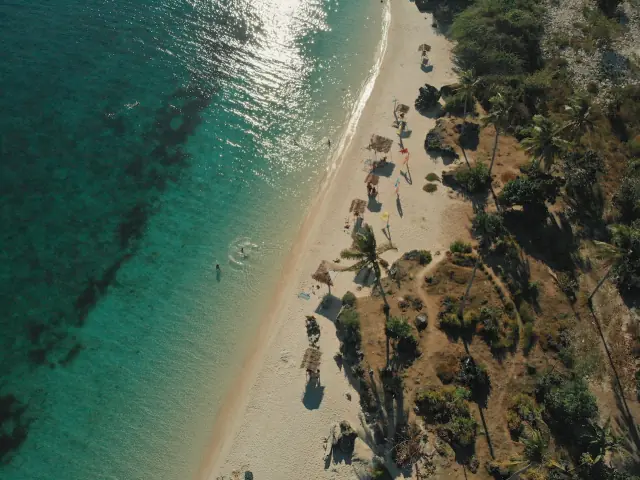
Cebu
Cebu
Beaches plus infrastructure — the sweet spot between Manila's chaos and provincial simplicity.
At a Glance
Location
Monthly Budget Snapshot
Full breakdown →| Budget Level | Est. Monthly Total (USD) |
|---|---|
| Budget | $700 |
| Moderate | $1,300 |
| Comfortable | $2,350 |
Last updated: 2026-09-04. Amounts in USD.
Living in Cebu as an Expat
I tell people who are torn between Manila and "somewhere quieter" to just go to Cebu first. It's not as intense as Manila — which is a feature — and it's not as sleepy as Dumaguete or Baguio. Cebu City proper has 965,000 people, it has hospitals that rival anything in Metro Manila, it has IT Park with fiber internet that doesn't give you an aneurysm, and you are thirty minutes from Mactan Island's beaches. That combination is genuinely rare.
The Philippines has a lot of cities that are cheap. Fewer of them are cheap and have the infrastructure to actually live and work from comfortably. Cebu is one of them.
Best Neighborhoods
IT Park (Cebu IT Park) is where I'd tell any remote worker or digital nomad to start. It's a compact district in Lahug — walkable, which almost no part of the Philippines can claim — with 24-hour restaurants, co-working spaces, modern condo towers, and fast fiber connections because the BPO companies that fill the office buildings need them. Studios run ₱15,000–₱25,000/month. One-bedrooms are ₱20,000–₱35,000. The streets are lit, Grab works immediately, and at 2am on a Tuesday there are still people eating ramen at the food hall. It's comfortable in a way that earns it.
Ayala Center / Cebu Business Park is quieter and more polished. Think of it as the BGC of Cebu — without BGC's sterile tech-bro energy. Rustan's Supermarket, S&R membership shopping, and Ayala Center mall are all here. Retirees who want less noise but still want amenities tend to land here. Rents are similar to IT Park.
Banilad and Lahug (outside IT Park proper) have a more residential feel — a mix of condos and stand-alone houses on streets that have actual trees. Good choice if you want proximity to the city without being in the thick of it.
Mactan Island is for people who want their front door to be close to water. It's connected to Cebu City by two bridges, and the international airport is there. Distances to resorts like Maribago and the Hilton Mactan are short. The trade-off is a 20–40 minute commute back to the city, which in Cebu traffic can feel like more. But if you're mostly working from home and occasionally want to go to IT Park for a meeting, Mactan works.
Mandaue sits between Cebu City and Mactan — a bit rougher around the edges, more industrial, but cheaper and underrated. Some expats who've been here a while prefer it.
Cost of Living
Cebu is the "moderate" bucket, but that's relative to Manila — it's genuinely affordable by any Western standard.
A studio or one-bedroom in IT Park: ₱15,000–₱35,000/month ($270–$630 USD). Electric bill with AC running most of the day: ₱3,000–₱6,000. Groceries for one person: ₱8,000–₱14,000. Eating out at local Filipino spots — carinderia style — costs ₱80–₱150 per meal. A proper sitdown dinner for two at somewhere like Abaca Restaurant or Hukad sa Golden Cowrie runs ₱1,500–₱2,500.
A realistic comfortable life — condo, groceries, dining out several times a week, gym, utilities — costs ₱45,000–₱75,000/month ($800–$1,350 USD). That same lifestyle in Makati would cost ₱20,000–₱30,000 more.
Internet & Coworking
IT Park is one of the few places in the Philippines where I've clocked 150+ Mbps on a fiber plan and had it hold steady through a video call. PLDT and Globe both serve the area. Converge is expanding. Budget ₱1,500–₱2,500/month for a plan that actually performs.
Outside IT Park, consistency drops. Mactan is serviceable. Outlying areas are a gamble.
For co-working, KMC Cebu and Clock In Coworking in IT Park are solid. Both have day passes and monthly memberships, air-conditioned, reasonably fast dedicated lines. There are also several 24-hour coffee shops in IT Park — Abaca Baking Company, Bo's Coffee — where people genuinely work, not just scroll.
Healthcare
Cebu has two hospitals I'd actually trust for anything serious: Chong Hua Hospital (660 beds, main campus in Fuente Osmeña, plus branches) and Cebu Doctors' University Hospital in Osmeña Boulevard. Both are private, both have international patient desks, both have the equipment that matters — cardiac, oncology, orthopedics.
For expats with PhilHealth and/or private insurance, costs are manageable. An ER visit runs ₱2,000–₱5,000 out of pocket for basic cases. A specialist consultation is ₱500–₱1,500. Dental work is a fraction of Western prices — orthodontics, implants, routine cleaning all widely available.
Serious cases — major surgery, complex oncology — some expats still fly to Manila or Thailand. But for the vast majority of what life throws at you, Cebu's hospitals handle it.
Safety
Safety score is 7 out of 10. That's not a knock on Cebu — it's honest.
The city is safe enough that I walk around IT Park and Ayala at night without thinking twice. The tourist areas near Mactan and the hotels are well-policed. Standard precautions apply: don't flash expensive gear, don't take unmarked taxis, use Grab or your building's accredited service.
The areas I'd avoid at night: parts of the carbon market district, some streets in the older downtown. Petty theft exists. Snatch-and-grab on motorcycles happens occasionally, mostly targeting phones. Keep your phone in your pocket when you're on a busy street.
Cebu is not a place where I feel unsafe. But it's a real city of nearly a million people. Act accordingly.
Food & Dining
Cebu food culture is real and distinct from Manila — and I say this as someone who grew up in Manila. The lechon here is legitimately the best in the country. Go to Rico's Lechon on N. Bacalso or the original Zubuchon before you debate me. Order the skin. You're welcome.
For everyday eating, the carinderia scene is excellent. You'll find spots near IT Park serving kare-kare, sinigang, pinakbet, and the Cebuano specialty sutukil (sugba-tuwa-kilaw — grilled, soup, raw seafood). Larsian sa Fuente is the classic outdoor BBQ night market experience — plastic chairs, charcoal smoke, cold San Miguel, cold beer rice, happiness.
For sit-down: Anzani has knockout views from the hillside and solid continental food. Maribago Bluewater does a good Sunday buffet on Mactan. The Pig & Palm for Western expats craving something familiar done well.
The SM Seaside food hall and the Ayala mall food court have enough variety to never eat the same thing twice in a month. S&R on Natalio Bacalso has the imported cheeses, cold cuts, and peanut butter that keeps expats sane.
Getting Around
Cebu traffic is bad and getting worse. Osmeña Boulevard — the city's main north-south artery — is a grind during rush hour (7–9am, 5–8pm). A trip from IT Park to Mactan that takes 20 minutes at noon can take 45–60 minutes at 6pm.
Within IT Park and the Ayala area: walk. Everything you need is close. Use Grab for anything beyond a 10-minute walk. The meter taxis are fine during the day; less so at night — negotiate or use Grab.
Jeepneys are cheap (₱13 minimum fare) and still run the main routes. If you figure them out, it costs almost nothing to get around. I recommend spending a Saturday morning just riding them to understand the city's layout.
From Cebu-Mactan International Airport, you're 20–30 minutes from IT Park. Grab from the airport is reliable. The airport has direct international flights to Hong Kong, Singapore, Kuala Lumpur, Tokyo, Seoul, and more — which matters enormously if you're a nomad who travels frequently.
Expat Community
The expat community in Cebu is real and socially active. There's a substantial Korean population (many English teachers and retirees), a significant Japanese community around Mactan, and a growing contingent of Western retirees, digital nomads, and remote workers.
The International Community Association of Cebu runs regular events. Various Facebook groups — "Expats in Cebu," "Digital Nomads Philippines" — are active and moderately useful. The IT Park coffee shop circuit means you'll run into other foreigners within a week without trying.
Bars like The Social on IT Park and various craft beer spots in Lahug are where the younger expat crowd congregates on weekends. The retiree circuit tends to orbit Ayala and Mactan.
Cebu has enough people to have a social life without one giant dominant social scene. You can find your people here, whatever that means to you.
Climate & Weather
Hot and humid year-round. Average temperatures sit around 28–32°C. The wet season runs roughly June through November — significant but not catastrophic rainfall. Cebu sits in a rain shadow relative to the eastern Visayas, so it gets hit by fewer direct typhoon landings than Leyte or Eastern Samar, but strong typhoons still cause damage and the 2013 memory of Yolanda (which hit nearby Leyte) is still fresh.
AC is not optional here unless you've been in tropical heat long enough to adapt. Budget for it in your electric bill.
The best months to visit or arrive: December through April. Dry, manageable humidity, blue-sky days.
Who Should (and Shouldn't) Move Here
Move here if: You want real urban infrastructure — hospitals, fast internet, malls, international flights — but you also want beach access without planning an expedition. You're a digital nomad who wants a base that works. You're a retiree who wants a social life and amenities. You want Manila's functionality without Manila's scale.
Don't move here if: You want somewhere truly quiet and slow. Cebu is a real city and it's growing fast — construction noise, traffic, and crowds are real. If you want a small-town pace, Dumaguete will make you happier. If you want beach life as your primary lifestyle, skip the city altogether and go straight to Siargao or El Nido.
Also: if you're on a very tight budget. Cebu is cheaper than Manila, but it's the most expensive option on this list. For the same ₱35,000/month, you live comfortably in Davao or Dumaguete. In Cebu, you're living carefully.
Compare Cebu with other cities
Side-by-side cost, safety, and internet comparison.