SIM Cards, Mobile & Internet in the Philippines
Last verified: 2026-09-23
Day One Checklist
Here's the short version before I get into the weeds. Land, unlock your phone if it isn't already, and get a Philippine SIM registered the same day — you need one for basically everything, including GCash. Buy the SIM at the airport if you want it handled for you, or wait a day and get it cheaper at a mall. Register it with your passport (and visa doc if you have one beyond a tourist stamp). Load some data. Test it before you leave the terminal. That's the whole job.
Everything else in this guide is detail on how to not mess that up.
Frank's Take
Get prepaid first. Don't sign up for postpaid in your first month — you have no credit history here and the carriers will make you prove it, which is its own headache. Prepaid gets you online in twenty minutes with zero paperwork beyond ID.
Pick Globe or Smart as your primary. Not because DITO is bad — DITO is actually competitive on speed in some Opensignal metrics — but because Globe and Smart have more retail presence, more agents who know how to handle a foreign passport, and coverage that's more predictable outside Metro Manila. DITO's network is younger and its coverage map still has real gaps depending on where you land. If you're going to be in Palawan or a small Visayan island for a while, don't bet your only line on it.
Keep a second SIM as backup. Buy a second cheap starter pack from whichever carrier you didn't pick as primary, register it too (there's no cap on how many SIMs one ID can register — NTC confirms this), and keep it in a drawer with some load on it. When your primary carrier drops signal in a random province — and it will happen — you'll be glad you did this.
SIM Registration for Foreigners (RA 11934)
Republic Act 11934 requires every SIM sold in the Philippines — physical or eSIM, prepaid or postpaid — to be registered before it activates. This isn't new; the law rolled out starting December 2022 and the original grace period for existing SIMs ended in mid-2023. What matters for you in 2026: registration is now baked into the purchase. You can't walk out of a store with an unregistered SIM.
What you need. At minimum, one valid government photo ID. There's no rule capping how many SIMs one person can register — you can register five SIMs on your own passport if you want, as long as each one is in your own name (NTC FAQ). What is illegal is letting a shop register a SIM under someone else's identity — don't let a vendor talk you into that shortcut, even if it looks faster.
If you're on a tourist visa, you register with your passport bio page and visa stamp, proof of a Philippine address (a hotel booking or a letter from whoever's hosting you works), and your onward or return ticket. A tourist-registered SIM is valid for 30 days. If you extend your visa, you can extend the SIM registration to match — but the clock resets to whatever your new visa period covers, it doesn't extend indefinitely. Track this date. People do lose their number mid-lease because they forgot the SIM was tourist-tier.
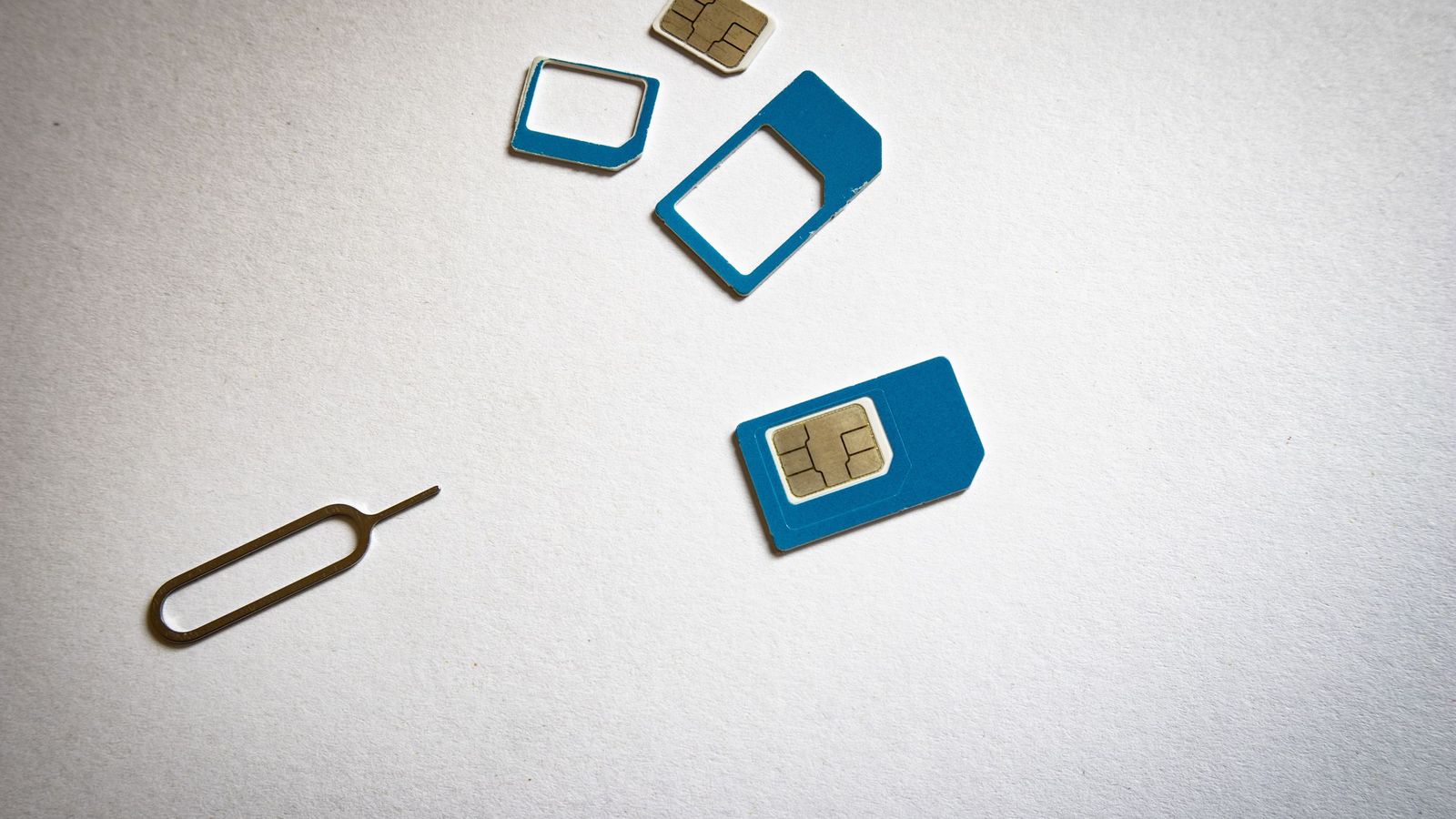
If you're here on a longer visa — work, retirement (SRRV), spousal, student — you register with your passport, proof of a Philippine address, and whatever supporting document matches your visa type: your ACR I-Card, Alien Employment Permit, or school enrollment document. This route doesn't have the 30-day tourist cap (Globe's SIM Registration Act page has the specifics per document type).
The penalty for lying. Knowingly registering with a fake or fraudulent ID is a real crime here, not a slap on the wrist — 6 to 24 months in prison, a fine of PHP100,000 to PHP300,000, or both (full text of RA 11934). Don't use a friend's ID, don't let a vendor register a "spare" SIM for you under their own name. It's not worth it.
Globe vs Smart/TNT vs DITO
Three networks, and the honest answer is all three work fine in cities and get patchier the further you go from them.
Globe. A physical 5G starter SIM runs PHP59; the local prepaid eSIM is PHP99. Their Go+99 promo gets you 7 days with 8 GB of open-access data plus some conditional 5G/app allowances and unlimited texts, for PHP99 (Globe prepaid page). Buy at any Globe store, most malls, or sari-sari stores that stock SIM cards — reloading ("load," as everyone here calls it) is everywhere, from the GlobeOne app to the corner tindahan.
Smart / TNT. Smart's prepaid eSIM is PHP99; TNT (Smart's budget sub-brand, popular with students and younger locals) has a PHP75 digital eSIM. Smart's Power All 99 promo gives 7 days, 10 GB open-access data, conditional 5G/app data, and unlimited calls and texts for PHP99. I couldn't confirm the current regular physical starter-pack retail price on Smart's official store — it's not clearly published, so don't assume a number until you see it on the shelf.
DITO. The newest of the three, and it shows in both directions — faster where it has towers, absent where it doesn't. DITO lists a PHP39 physical starter pack, though the promo permit backing that price had expired as of this writing, so confirm the actual inclusions at purchase. Their Level-Up 99 promo is PHP99 for 15 days with 9 GB plus calls and texts — a longer validity window than Globe or Smart's PHP99 tiers, which is DITO's real selling point. DITO also sells a PHP99 prepaid eSIM with the same 9 GB/15-day terms, through DITO Experience Stores or the DITO app (DITO eSIM page).
eSIM is available on all three carriers and foreigners can use it the same as physical SIMs — the registration requirement doesn't change based on SIM format. If your phone is eSIM-capable and factory-unlocked, this is the cleanest path: no plastic to lose, and Globe and Smart both sell traveler eSIMs you can activate before you land (more on that below).
Airport SIM or Wait?
Globe and Smart both run booths at NAIA Terminals 1 through 4. The value isn't really the SIM — it's having someone walk you through registering a foreign passport on the spot, which is the step that trips people up most. Globe's NAIA-adjacent traveler eSIM option is PHP1,750 for 30 days with 80 GB and unlimited local calls/texts through the GlobeOne app — that's a real published number, but I couldn't confirm what the physical SIM bundles cost at the actual airport counter; it's not on Globe's public pricing page. Smart similarly sells a PHP599 digital tourist eSIM (24 GB, 30 days, unlimited local calls/texts) that you can grab before or after landing, but their airport walk-up counter price also isn't published anywhere I could verify.
My honest take: airport SIMs cost more for the convenience, and that's a fair trade if you're jetlagged and don't want to deal with paperwork. If you'd rather save the markup, wait a day, get settled, and buy a starter pack at any mall or sari-sari store — same registration requirement, usually a friendlier price, just a little more DIY. If your phone supports eSIM, the pre-arrival traveler eSIM (Globe's PHP1,750 30-day option) is worth it specifically because you land already connected and can deal with a permanent local SIM once you're not exhausted.
Reddit sentiment (not a source of truth, just a pattern): people who buy at the airport consistently say the premium bought them a working, correctly registered SIM with zero hassle; people who go the cheaper mall route sometimes report portal errors on the passport/address upload step that take a follow-up visit to sort out.
GCash and Maya
Your Philippine SIM number is the backbone of both major e-wallets, and losing that number means losing wallet access — so don't let it lapse.
GCash has two relevant paths for a foreigner. A regular ("Fully Verified") account needs a Philippine SIM and accepts an ACR I-Card, Philippine driver's license, SRRV, diplomatic ID, or Alien Employment Permit for KYC if you're a resident. If you're just visiting, GCash has a GTourist tier that works off a foreign number/card and a passport, and expires after 30 days — built for short stays, not long-term use. Wallet limits scale with verification: Basic accounts cap at PHP10,000 balance / PHP5,000 monthly incoming; Fully Verified and GTourist both raise that ceiling to PHP100,000 (GCash limits page).
Maya works similarly — your registered mobile number becomes your wallet identifier, and their current upgrade flow accepts a passport directly from foreign nationals, which some expats find less friction-heavy than GCash's ACR-based process. Maya's monthly wallet limits are PHP50,000 Basic / PHP100,000 upgraded (Maya account limits). Full details on setting either wallet up are in the guide on GCash for foreigners and the general banking guide.
The pitfall people actually hit: your GCash or Maya balance is tied to a specific number. If that SIM goes inactive — expired tourist registration, unpaid load, lost phone with no backup — you can get locked out of your own wallet balance until you sort identity verification with support. Keep the SIM active, keep it loaded, and don't switch numbers without migrating your wallet first.
Coverage, Roaming and Backup Internet
Coverage here is about your specific address, not really about brand loyalty. Opensignal's October 2025 measured report has Globe leading overall coverage experience, Smart leading several 5G benchmarks, and DITO leading raw download speed and reliability where its towers reach. All three claim service across Metro Manila, Cebu, and the major Visayas/Mindanao cities — but provincial towns, small islands, and indoor signal in older concrete buildings are hit or miss regardless of carrier. Ask locals in your specific barangay which network actually works before committing to a plan.
If you have a dual-SIM phone (most modern unlocked phones do), keep your home-country SIM active for bank OTPs and put your Philippine SIM in as the default line for calls and data. Turn off data roaming on the home SIM so you don't get hit with charges — check your phone's carrier settings; both iPhone and Pixel have this documented. If you want to keep a US number reachable without paying roaming, see the guide on keeping a US number abroad.
For home broadband, this guide isn't the place for the full comparison — the internet guide owns that detail — but briefly: Globe At Home, PLDT Home, and Converge fiber are the standard picks, and coverage is address-specific, so check serviceability before you sign a lease. Starlink is the fallback for anywhere fiber doesn't reach, which matters more than people expect once you're outside a handful of major cities.
Common Problems and Fixes
Problem: registration keeps getting rejected online. The portal upload for passport photo or proof-of-address is a common failure point — blurry scans, wrong file format, or address documents that don't match the required template. Go to a physical store instead. In-person staff can usually push a registration through that the app rejected.
Problem: my phone won't take a local SIM / says it's locked. Some phones sold under a US or other carrier contract come locked to that carrier and won't accept a foreign SIM. Confirm your phone is factory-unlocked before you fly, or buy an unlocked phone locally — decent Android options are cheap here and solve the problem instantly.
Problem: DITO SIM doesn't work on my phone. DITO uses a different band combination than Globe and Smart. Not every phone — especially older or budget models bought outside the Philippines — supports DITO's bands. Check DITO's compatibility list before buying, or just skip DITO for your primary line if you're not sure.
Problem: my tourist SIM stopped working after 30 days. That's expected — it's built into the registration, not a bug. If you're still here on an extended tourist visa, go re-register at a carrier store with your updated visa extension paperwork before the 30 days runs out, not after.
Problem: I need to escalate and the hotline isn't helping. Carrier retail stores can usually resolve identity and registration issues faster than call centers. Bring your passport, visa page, and (if you have one) a screenshot of the error you hit. For anything the store can't fix, the NTC (the regulator behind RA 11934) has regional offices that field escalations directly — worth knowing exists even if you never need it.
More Expat Guides
- ›
ACR I-Card for Foreigners in the Philippines: Who Needs One
A plain-English guide to the Philippine ACR I-Card: who needs one, the day-59 rule, applying and renewing, BI's posted fees, the Annual Report and leaving.
- ›
How to Open a Bank Account in the Philippines as a Foreigner
What ID each visa status needs, which banks accept foreigners, and a step-by-step checklist for opening a Philippine bank account. Updated 2026.
- ›
Panglao, Dauis or Tagbilaran for a long stay
A practical comparison of where to live in Bohol for expats and digital nomads.
- ›
Can Foreigners Buy Property in the Philippines?
What foreigners can legally own in the Philippines: condo caps, land leases, marriage and former-Filipino rules, purchase taxes and fees, and moving the money.
- ›
Cebu IT Park vs Cebu Business Park
Cebu IT Park vs Business Park for expats — walkability, condos, PRA access, Sugbo Mercado, and which district fits nomads vs retirees.
- ›
Getting a Philippine Driver's License as a Foreigner
How to convert your foreign driver's license or get a new one in the Philippines — the 120-day rule, LTO requirements, fees, and what the process actually feels like.
- ›
Dumaguete, Valencia or Dauin: Which Fits Retirement?
Compare Dumaguete city, Valencia in the mountains, and Dauin on the coast — SRRV counts, hospitals, vibe, and who each spot fits.
- ›
Education and Schools in the Philippines
How to compare school places, curricula, full fees, calendars, and homeschooling options before an expat family moves.
- ›
ECC Exit Clearance: When Foreigners Need It to Leave PH
The Emigration Clearance Certificate explained: who needs it, ECC-A vs ECC-B, timing, and how to avoid getting stopped at the airport.
- ›
First 90 Days in the Philippines: A Moving Budget
Build a realistic Philippines moving budget for your first 90 days, including housing, deposits, monthly costs, visas, and setup.
- ›
GCash for Foreigners: GTourist vs Full Verification
What actually works for foreigners on GCash: the 30-day GTourist route, the resident ID list, real wallet limits, and where each path breaks down.
- ›
Healthcare and Health Insurance in the Philippines for Expats
Expat medical insurance in the Philippines, compared: PhilHealth, local HMOs and international plans — what to buy first and what each layer covers.
- ›
Finding Housing in the Philippines — Rent Bands & Trial Stays
Compare rent bands by city, then book a 2–4 week Agoda trial stay before you pay 3 months upfront — plus SafetyWing, Wise and budget next steps.
- ›
Internet in the Philippines
ISP comparison, speeds, reliability, backup options, and how to get connected as an expat.
- ›
Keeping a US Phone Number Abroad for Bank Verification
How expats in the Philippines keep a US number for bank codes: carrier Wi-Fi calling, Google Voice, NumberBarn, costs, and 2FA backups.
- ›
Making Friends in the Philippines as a Foreigner
How friendships actually form in Metro Manila, where they happen, and why the first easy connections rarely turn into real barkada.
- ›
Moving to the Philippines with Pets
How to bring a dog or cat to the Philippines: BAI SPSIC permits, vaccination rules, airline cargo policies, fees, and arrival quarantine.
- ›
Bringing Prescription Medicine Into the Philippines
What you can legally carry, the 30-day controlled-drug limit, and how to keep a US or UK prescription running once you're based here.
- ›
Retirement & Pension in the Philippines: Getting Paid, Taxes and How Much You Need
How US Social Security and UK, Australian and Canadian pensions reach the Philippines, how they're taxed, and how much you need to retire here in 2026.
- ›
Retiring in the Philippines (2026): A Readiness Checklist
A plain checklist for retiring in the Philippines: visa, healthcare, pension income, housing and budget, plus how to test a town before you commit.
- ›
Safety in the Philippines: What Expats Actually Experience
What the crime data actually says, where risk changes by region, the scams foreigners run into most, and what to do if something happens.
- ›
SafetyWing in the Philippines: When It Fits (vs World Nomads)
Buy or skip SafetyWing for a Philippines stay: Essential vs Complete, honest World Nomads comparison, island medevac reality — plus trial stay, Wise rails, and budget next steps.
- ›
Best Way to Send Money to the Philippines (2026 Guide)
Compare Wise, bank wires, and remit apps. Why Wise is my default for Philippines transfers in 2026 — plus FBAR, domestic fees, and the paper trail.
- ›
Shipping Belongings to the Philippines: Container or Box?
A practical, opinionated comparison of shipping a container, sending balikbayan boxes, or buying new once you land in the Philippines.
- ›
Starting a Business in the Philippines as a Foreigner
Foreign ownership rules, SEC registration, the 60-40 rule, and practical steps to launch a business.
- ›
Taxes for Expats in the Philippines
Whether foreign nationals owe Philippine tax, BIR TIN registration, the 180-day rule, current tax brackets, and how US/UK/AU/CA treaties apply.
- ›
Getting Around the Philippines
Driving, Grab, jeepneys, ferries, and domestic flights — how to get around as an expat.
- ›
Utilities in the Philippines: Electricity, Water and Internet Setup
A renter's guide to Philippine utilities: who supplies power and water, recent electricity rates, bill deposits, submetered units, brownouts and internet setup.
- ›
Philippines Visa Run vs Residency (2026): Tourist or SRRV?
Tourist extensions, HK/Singapore/KK visa runs, and when SRRV or 13(a) beats the treadmill — plus insurance, overnight stays, and money rails.