Safety in the Philippines: What Expats Actually Experience
Last updated:
Overview
Here's the honest, short answer: normal life in the Philippines' main expat centers does not feel dangerous, but the country is not uniformly low-risk. The U.S. State Department's September 2026 advisory rates the whole country Level 2, "Exercise increased caution," for crime, terrorism, unrest, and kidnapping — with specific "Do not travel" zones in the Sulu Archipelago and Marawi City, and "Reconsider travel" guidance for most of Mindanao and parts of rural Leyte, Mindoro, Negros, and Samar.
That's the headline risk. The risk most foreigners run into is boring: pickpocketing, ATM skimming, taxi overcharging, and scams targeting people who don't know the local playbook yet. Read both parts of this guide before you decide how nervous to be.
Frank's Take
Every few months a violent headline out of the Philippines makes the rounds on expat forums and everyone starts asking whether they made a mistake moving here. I get why — a robbery or a killing is real and serious, and I'm not going to tell you the headlines are made up. But one viral story doesn't establish a trend any more than a long-term resident who's never had a problem proves an area is safe. Both of those are anecdotes, not data.
My opinion: if you're living in a secured condo in BGC, Makati, Cebu IT Park, or somewhere with similar infrastructure — guards, lighting, app-based transport, foot traffic — your daily risk profile looks a lot like any mid-size American or European city. Petty theft and scams are the realistic threats, not violent crime. Where I'd be careful is the situational stuff: unbooked airport taxis, ATMs in poorly lit corners, dating apps, and anywhere south of central Mindanao that shows up on the "reconsider" or "do not travel" lists. That's not fear-bait, that's just reading the advisory.
What the Numbers Do and Don't Say
Official totals move in different series, so treat any single number carefully. What you can verify from recent PNP/DILG reporting: index crimes (the major crimes-against-persons-and-property set the PNP highlights) fell from 38,404 in 2023 to 34,841 in 2024 — about a 9% drop. Broader "total crime volume" estimates also point down year-over-year into 2024, but the exact headline figure depends on which series you pull (index vs all recorded incidents), so I'm not hanging this guide on one absolute count.
Here's the catch either way: those are police-recorded incidents, not a survey of everything that actually happened. Underreporting is real in the Philippines and everywhere else — a drop in recorded cases is genuinely good news, but it's not the whole picture, and it's definitely not proof that any specific neighborhood is safe.
I'd also flag: region-wide rates and city releases are not neighborhood rankings. There's no current official dataset that ranks Metro Manila districts, Cebu neighborhoods, or Davao barangays by safety. UK guidance likewise flags high levels of street crime and robbery — sometimes involving weapons — and notes that British nationals have reported sexual assaults in backpacker spots including Coron and Siargao. Separately, UK terrorism advice treats British nationals as legitimate targets in Mindanao/Sulu kidnapping contexts. Day-to-day risk for most foreigners in the main cities is still petty theft and scams, but don't flatten the UK page into "foreigners aren't targeted."
Where Risk Changes
Metro Manila
Metro Manila falls under the national Level 2 advisory. The recurring, verified risks are the boring ones — pickpocketing, bag snatching, street robbery, and ATM/card fraud — concentrated around crowded markets, transit terminals, and nightlife strips. In my view, BGC, the Makati CBD/Legazpi-Salcedo area, Ortigas, and the more established parts of Alabang are sensible first bases for a newcomer because of the secured buildings, lighting, malls, hospitals, and easy access to ride-hailing apps — an editorial call based on infrastructure, not an official "safest district" ranking, which doesn't currently exist. I'm also not going to label entire communities like Tondo, Quiapo, or Malate as no-go zones. Be more careful with your phone and your route at night there — that's situational advice, not a verdict on the whole neighborhood.
Cebu
Cebu sits outside the elevated-risk Mindanao/Sulu zones but is still covered by the same nationwide caution level and the same petty-crime and scam guidance. Cebu IT Park, Cebu Business Park, Banilad, and Mactan Newtown are, in my view, reasonable starting points for the same reasons as BGC or Makati — again, my recommendation based on the built environment, not an official ranking. Downtown and port areas plus nightlife strips warrant more attention to your belongings and how you get home, but I couldn't find current official data that ranks Cebu districts by crime.
Davao
I'm not going to repeat the tourism-brochure line that Davao is the country's safest city — there's no current national comparison that backs that up. What is verified: a Davao City government release showed 828 total incidents in the first 75 days of 2024 versus 871 over the same period in 2023, a modest year-over-year decline, but that's a partial-year city release, not a national ranking. On the advisory side, the U.S. carves Davao City's central business district and airport out of its broader Mindanao "reconsider travel" zone, while the UK and Australia keep more of Mindanao — including areas near Davao — under tighter restrictions. If you're considering Davao, check the current advisory from your own government (not just the U.S. one) and your travel insurer's map before you commit, because they don't agree with each other right now.
Provinces and Islands
A tight-knit barangay can genuinely make daily life feel safer — that's a real theme in long-resident community discussions — but it doesn't show up in any dataset I could verify, and distance from the nearest hospital (healthcare) or police station is a real practical tradeoff, not a crime statistic. The 2026 U.S. advisory specifically flags increased caution for certain rural and remote parts of Leyte, Mindoro, Negros, and Samar due to insurgent-linked activity — so "province" doesn't automatically mean "lower risk." Before you move somewhere rural, check the current advisory for that exact province and route, not just the country-level headline.
The Scams Foreigners Actually Meet
| Scam | What's verified | What to do |
|---|---|---|
| ATM/card skimming | Card and ATM fraud is a recurring risk flagged in official advisories. | Use ATMs inside or attached to a bank or mall, check for loose or add-on hardware, cover the keypad, and turn on transaction alerts. Report anything suspicious to your bank immediately. |
| Airport taxi / transport overcharging | Documented pattern of airport taxi overcharging and meter refusal; a March 2026 case saw Taiwanese tourists reportedly charged PHP 9,600 for a ride that should've cost around PHP 500, prompting a DOTr enforcement warning. | Use an accredited ride-hailing app, a hotel car, or drive yourself if you have a driver's license — see getting around the Philippines. For tricycles without meters, agree on the fare first. |
| Fake accommodation listings | DILG and PNP have warned about bogus Airbnb-style listings; official guidance is to verify a booking through the property's own channels before paying. | Contact the property directly through an independently found number before sending money. Be suspicious of anyone pushing a same-day deposit. |
| Real estate purchase fraud | DHSUD warns buyers to verify the project and seller, read contracts, and inspect the site before buying. | Use a lawyer who isn't connected to the seller. Verify the developer and broker independently before signing anything. |
| Romance / online scams | Official advisories flag online relationship and dating scams, including cases that escalate into blackmail or robbery. | Video call before meeting. Meet in public the first few times. Tell someone where you're going. Never send money to someone you haven't verified in person. |
| "Foreigner pricing" / overcharging | Verified for transport specifically; I couldn't find an official national estimate for routine retail overcharging of foreigners. | Check posted prices, confirm a total before you order or agree to a service, and ask for an itemized bill if something feels off. |
Habits That Make the Biggest Difference
None of this is exotic. The same boring stuff that keeps you safe anywhere, applied consistently:
- Book your transport at the airport. Don't negotiate with people soliciting rides in the arrivals hall.
- Keep your phone off the table in crowds and off your hand at the curb. Don't flash cash or jewelry.
- Use guarded, well-lit ATMs during the day, cover the PIN pad, and keep transaction alerts on.
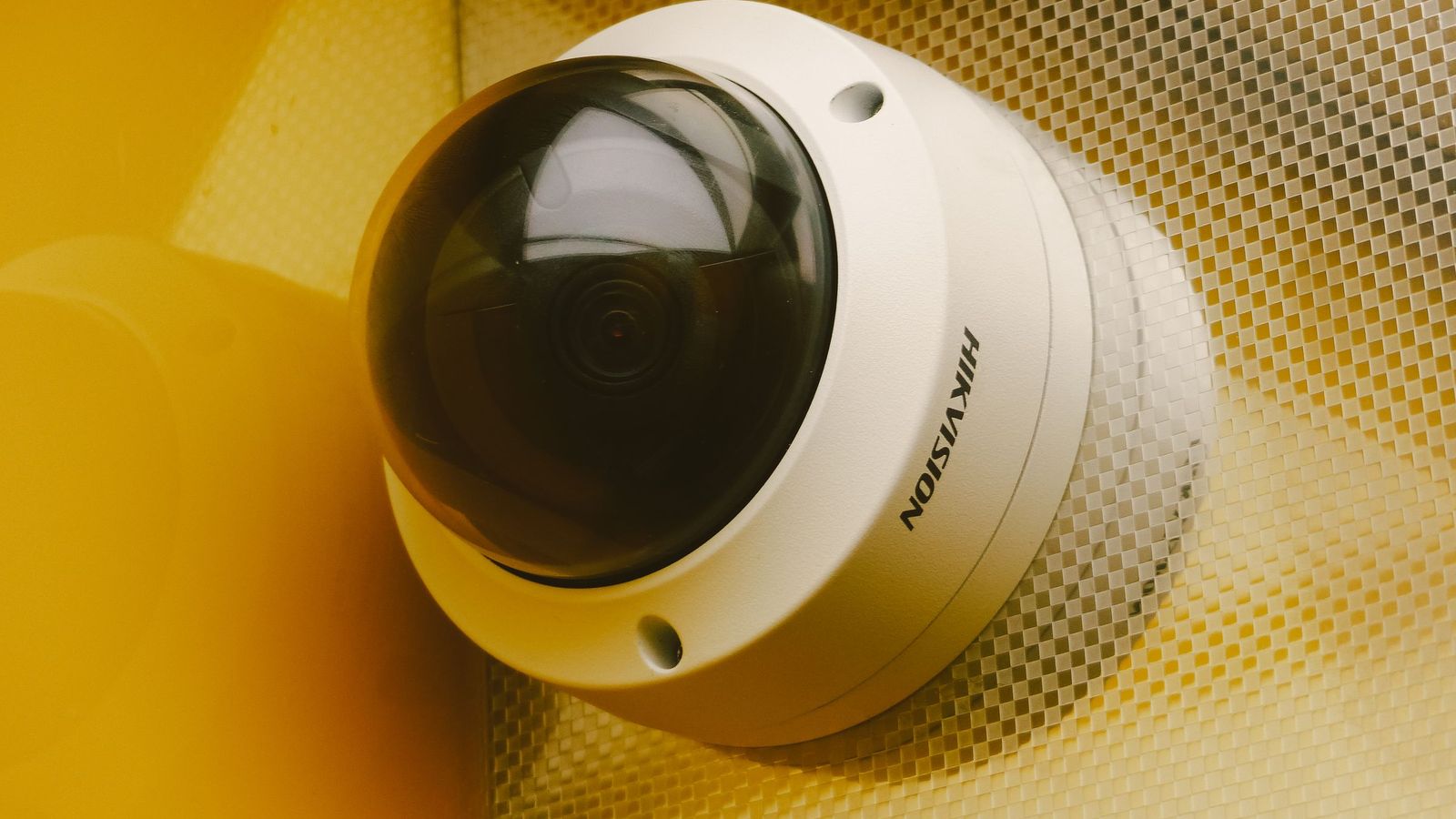
- Inspect a building and the surrounding block after dark before you sign a lease (see housing) — access control and CCTV are reasonable things to look for, though I have no hard data proving they reduce your risk.
- Keep a photo of your passport's photo page accessible and store the original somewhere secure when you don't need to carry it.
- On dates: video call first, meet publicly, tell a friend the details, and arrange your own ride home.
- In bars: watch your drink being made, never leave it unattended, and don't accept drinks from strangers.
- Skip political protests and rallies entirely — foreign participation can get you detained or deported, no exceptions for good intentions.
- Save 911, the nearest embassy or consulate number, the closest hospital, and a trusted local contact in your phone and on paper.
- If you're a U.S. citizen, enroll in STEP and carry medical/evacuation insurance that actually covers where you're going.
Nightlife, Drugs, and Guns
Drugs. Say no, every time, to everything. Philippine drug law is not lenient — UK guidance is blunt that even possession of a small amount of an illicit drug carries a mandatory prison sentence. Under RA 9165, possessing any dangerous drug at a party or social gathering triggers the maximum statutory penalty regardless of quantity. To be precise about something people get wrong: RA 9346 prohibits the death penalty in the Philippines, so despite older statutory language, the current legal reality is severe imprisonment, not execution.
Guns. Under RA 10591, an individual applying for a firearms license has to be a Filipino citizen — so an ordinary foreign resident doesn't qualify for a private ownership license. Don't buy, borrow, hold, or carry a firearm here on the assumption that a license or permit from home carries over. It doesn't.
Nightlife. The actual risk cluster in bars and clubs is intoxication, unattended drinks, isolated transport home, and disputes that escalate — not "nightlife" as some blanket danger. Watch your drink get made, stick with people you know, book your ride home in-app rather than flag one down, and leave early when a situation heats up.
If Something Happens
- Get to a populated place. Call 911 if there's danger or injury.
- Get medical care first if you're hurt. If it's safe to do so, hold onto anything useful — receipts, messages, photos, ride details — without putting yourself at further risk to collect it.
- File a report with local police and ask for a written report or case reference number.
- If a card or account is compromised, call your bank through its official number right away and freeze it.
- Contact your embassy for help reporting the crime, getting a list of local lawyers, contacting family, or replacing a passport. Be clear-eyed about what an embassy can't do: it does not investigate crimes, act as police, provide personal security, or represent you in court. Local police, not your embassy, investigate and prosecute.
- Notify your travel or health insurer and keep copies of the police report and any medical records.
- If you're ever arrested or detained, ask officials to notify your embassy immediately.
Emergency Contacts
| Need | Number |
|---|---|
| Police, fire, ambulance (nationwide) | 911 |
| PNP fallback | 117 or 02-8722-0650 |
| Philippine Red Cross | 143 or 02-8527-8385 to 95 |
| Bureau of Fire Protection fallback | 02-8426-0219 or 02-8426-3812 |
| U.S. Embassy Manila | +63 2 5301-2000 |
| U.S. Consular Agency, Cebu | +63 32 231-1261 |
The Department of the Interior and Local Government has been rolling out 911 as the single nationwide emergency number for police, fire, and medical response — that's your first call, not a fallback line, whenever there's immediate danger.
Last Verified: September 16, 2026
Checked against the current U.S., UK, and Australian travel advisories, 2023–2024 PNP/DILG index-crime reporting, and current embassy contact numbers. If you're reading this months from now, re-check the advisory for your own country before you make a decision based on anything above — these get updated, and mine doesn't automatically.
More Expat Guides
- ›
Banking for Expats in the Philippines
How to open a bank account, use GCash and Maya, send money internationally, and manage your finances as a foreigner in the Philippines.
- ›
Getting a Philippine Driver's License as a Foreigner
How to convert your foreign driver's license or get a new one in the Philippines — the 120-day rule, LTO requirements, fees, and what the process actually feels like.
- ›
Education and Schools in the Philippines
How to compare school places, curricula, full fees, calendars, and homeschooling options before an expat family moves.
- ›
ECC Exit Clearance: When Foreigners Need It to Leave PH
The Emigration Clearance Certificate explained: who needs it, ECC-A vs ECC-B, timing, and how to avoid getting stopped at the airport.
- ›
First 90 Days in the Philippines: A Moving Budget
Build a realistic Philippines moving budget for your first 90 days, including housing, deposits, monthly costs, visas, and setup.
- ›
GCash for Foreigners: GTourist vs Full Verification
What actually works for foreigners on GCash: the 30-day GTourist route, the resident ID list, real wallet limits, and where each path breaks down.
- ›
Health Insurance in the Philippines for Expats
How expats buy health cover in the Philippines: PhilHealth, local HMOs and international plans, what each layer does and doesn't cover.
- ›
Healthcare in the Philippines
How the Philippine healthcare system works for expats — PhilHealth, private hospitals, insurance options, and what to expect.
- ›
Finding Housing in the Philippines
How to find and rent an apartment or condo as a foreigner — lease terms, deposits, landlord culture, and the best platforms.
- ›
Internet in the Philippines
ISP comparison, speeds, reliability, backup options, and how to get connected as an expat.
- ›
Keeping a US Phone Number Abroad for Bank Verification
How expats in the Philippines keep a US number for bank codes: carrier Wi-Fi calling, Google Voice, NumberBarn, costs, and 2FA backups.
- ›
Retiring in the Philippines: A Readiness Checklist
What has to be true before you retire in the Philippines: visa structure, healthcare that works, income access, housing, and long-term budget lines.
- ›
SafetyWing in the Philippines: A Nomad's Guide to Coverage
Is SafetyWing right for your Philippines stay? Comparing Nomad Insurance Essential and Complete versus local HMOs for digital nomads and remote workers.
- ›
Sending Money to the Philippines: What Actually Arrives
Fees, exchange rates and receiving options compared: what a transfer to a Philippine bank, GCash wallet or cash pickup really delivers.
- ›
Starting a Business in the Philippines as a Foreigner
Foreign ownership rules, SEC registration, the 60-40 rule, and practical steps to launch a business.
- ›
Taxes for Expats in the Philippines
Whether foreign nationals owe Philippine tax, BIR TIN registration, the 180-day rule, 2023 tax brackets, and how US/UK/AU/CA treaties apply.
- ›
Getting Around the Philippines
Driving, Grab, jeepneys, ferries, and domestic flights — how to get around as an expat.