Panglao, Dauis or Tagbilaran for a long stay
Last verified: September 26, 2026
So, you’ve decided on Bohol. Good choice. It’s one of the few places in the Philippines where you can get a decent mix of "island life" without feeling like you’re stranded in the middle of nowhere. But once you start looking at a map, you realize Bohol isn't just one big beach. Most people coming for a few months end up choosing between three very different spots: Tagbilaran City, Panglao Island, or Dauis.
I get asked about this a lot. Most nomads default to Panglao because that’s what shows up on Instagram, but after a month of paying "tourist prices" for a mediocre burger, they start looking at the mainland. On the flip side, people move to the city to save money and then realize they hate the sound of tricycles at 5:00 AM.
If you’re staying for three months or more, where you drop your bags matters. You aren't on vacation anymore; you’re living here. You need groceries, you need a visa extension, and you definitely need internet that doesn't die every time a cloud passes by.
Here is my honest breakdown of the three areas and how to figure out which one won't make you want to move after two weeks.
Tagbilaran: The Logistics Center
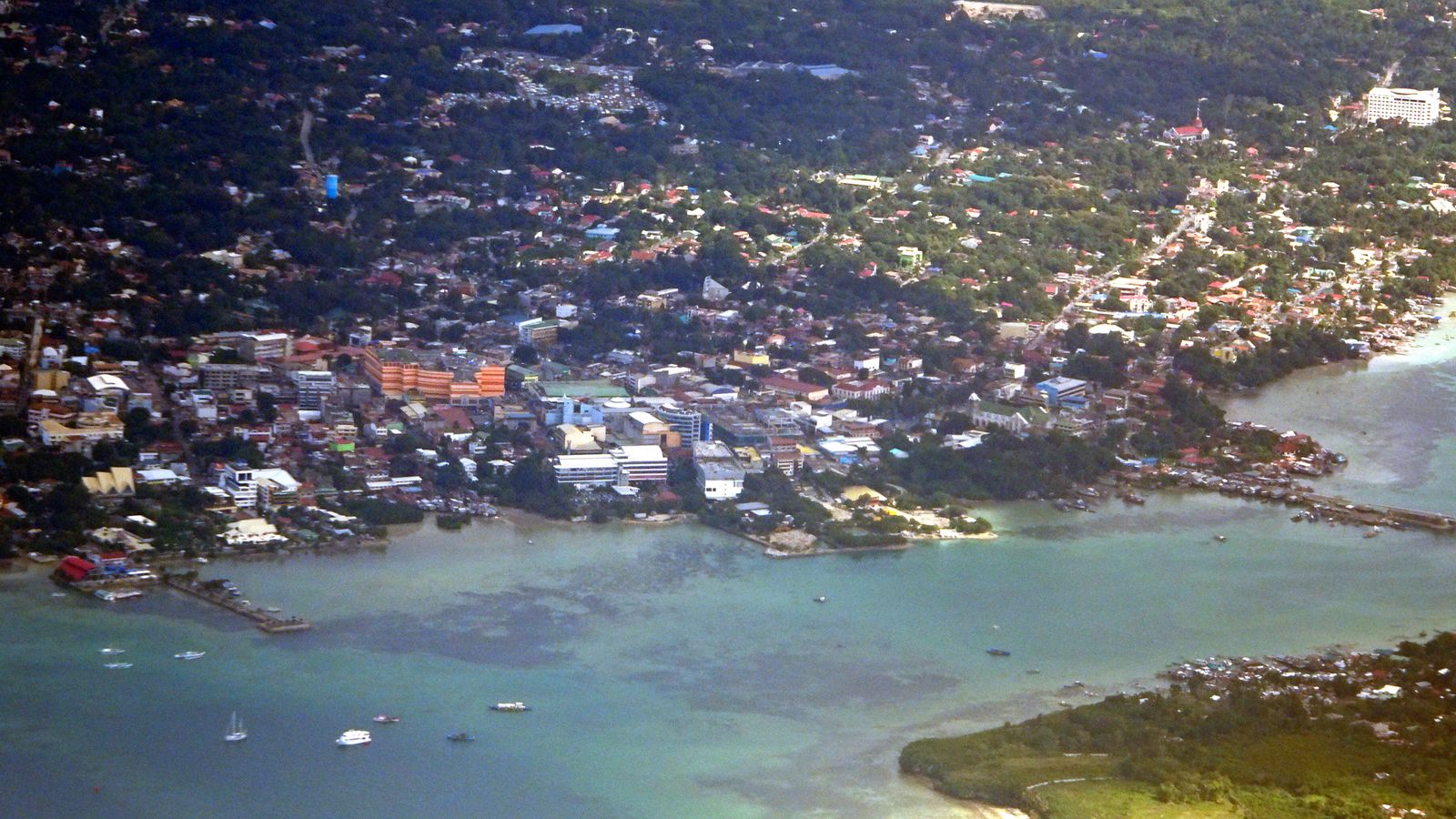
Tagbilaran is the only city in Bohol. If you’re looking for a "city" in the sense of Makati or Cebu, lower your expectations.
But for a long-term stayer, Tagbilaran is the brain of the island.
The Shopping Situation
Everything you need is here. We have three main malls: Island City Mall (ICM), Alturas, and BQ.
ICM is the big one. If you need a specific brand of imported peanut butter, a new laptop charger, or a decent pair of shoes, you go to ICM. It’s also where you’ll find the best grocery store on the island. Alturas and BQ are more "local" and right in the city center. They’re fine for quick runs, but ICM is where most expats end up on the weekend.
Health and Transport
If you get sick, you want to be in Tagbilaran. Ace Medical Center is the newer private hospital and the one I hear expats mention first when they want a modern facility. Ramiro Community Hospital is another private option that has a solid reputation. Don't expect Panglao to have anything more than a basic clinic.
Then there’s the port. The Port of Tagbilaran is your gateway to the rest of the Visayas. There are fast crafts (OceanJet is the main one) running to Cebu and Dumaguete multiple times a day. If you need a "big city" fix in Cebu, the OceanJet run is usually about two hours to Pier 1 — check the schedule the morning you go.
Why you’d live here
Savings. Plain and simple. You can find a decent two-bedroom house in a quiet subdivision in Tagbilaran for 15,000 to 20,000 pesos. In Panglao, that same house would be 45,000 pesos or more. It’s significantly cheaper than the cost of living in Cebu, but you have to factor in the limited options.
The Downside
It’s not pretty. There is no beach. You’ll be surrounded by concrete, sari-sari stores, and the constant roar of small engines. It feels like a city, not a tropical getaway. If your dream is to wake up and see the ocean, Tagbilaran will disappoint you.
Panglao: The Tourist Bubble
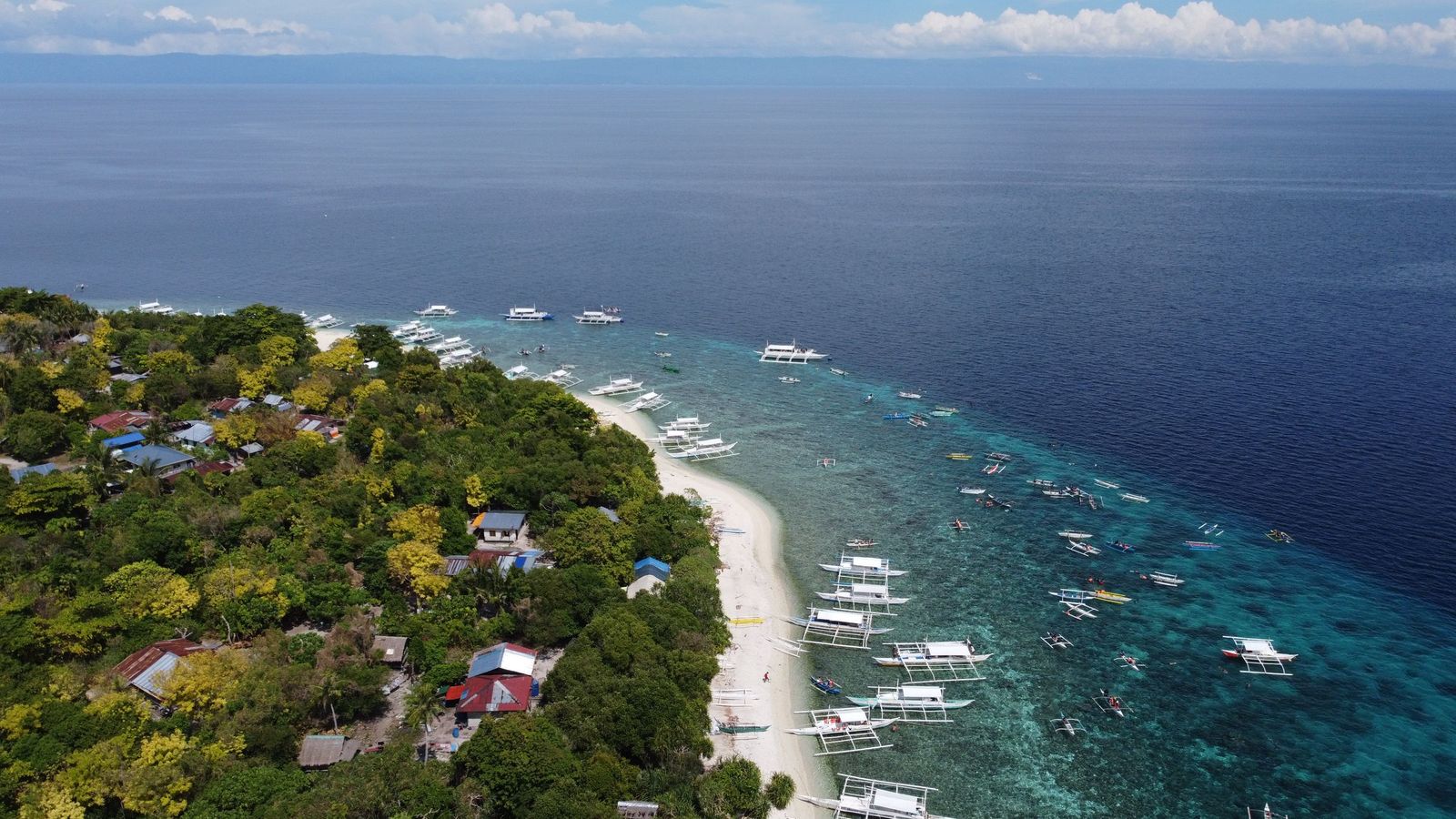
Panglao is the island connected to the mainland by two bridges. Specifically, when people say "Panglao," they usually mean the area around Alona Beach.
The Vibe
This is the hub. It’s where the restaurants are, where the dive shops are, and where you’ll find other foreigners. If you want to grab a wood-fired pizza at 9:00 PM or find a bar with a decent craft beer selection, this is your only option.
Bohol-Panglao International Airport (TAG) is also right here. It’s a modern airport with direct flights to Manila and occasionally international spots. It’s incredibly convenient to land and be at your villa in ten minutes.
Internet and Work
For digital nomads, Panglao is actually the best choice for connectivity. Most of the newer villas and apartments have fiber internet (PLDT or Globe). Because the tourism industry relies on it, the infrastructure is a bit more prioritized here. I’ve seen 200 Mbps speeds in Alona that I couldn't get in some parts of Tagbilaran.
The Cost of Living
Get ready to pay. Panglao is the most expensive place in Bohol. You’re paying "Alona prices" for everything. A meal at a carinderia (local eatery) might be 80 pesos, but at an Alona restaurant, you’re looking at 400 to 700 pesos for a main course.
Rent is also high. Because of Airbnb, many landlords would rather rent a place for 3,000 pesos a night than 30,000 pesos a month. You have to hunt hard to find a long-term deal that doesn't feel like a robbery.
The Downside
It’s a bubble. You can live in Panglao for six months and never actually feel like you’re in the Philippines. It’s also crowded. Alona Beach is packed with tour boats and people trying to sell you sunglasses every five feet. If you want "peace and quiet," the Alona area is the last place you should go.
Dauis: The Middle Ground
Dauis is technically on Panglao Island, but it’s the half closest to the mainland. It’s often overlooked, but for many expats it’s the practical middle — close enough to both hubs without living inside either one.
Strategic Location
From a central Dauis spot you’re usually about 15–25 minutes from the malls and hospitals in Tagbilaran, and about the same to Alona — traffic and which barangay you’re in move that around.
It’s mostly residential. You won't find many hotels here, which means you won't find many tourists. It’s quiet. You’ll see more cows and goats than tour buses.
Housing and Lifestyle
This is where the value is. You can get a much nicer house for your money than in Alona, often with a yard or even a view of the strait. It’s the place for people who want a "home" rather than a "base."
The catch? You absolutely need a scooter or a car. In Tagbilaran, you can grab a tricycle anywhere. In Alona, you can walk. In Dauis, there’s nothing within walking distance. If you don't have your own wheels, you’re going to spend your life waiting for a ride or walking down long, hot provincial roads.
The Downside
It can feel a bit isolated. If you’re a social butterfly, you’ll get tired of the drive to Alona every time you want a drink. Also, because it’s more rural, you deal with more "island problems"—more roosters, more occasional power fluctuations, and more neighbors burning leaves in the afternoon.
Essential Logistics for the Long Stay
Regardless of where you pick, there are three things that will dictate your quality of life in Bohol: Visas, Power, and Internet.
The Bureau of Immigration
If you’re on a tourist visa, you’ll become very familiar with the Bureau of Immigration (BI). One big change in recent years is the location of the office. It used to be in Tagbilaran at the Island City Mall, but it has moved to the island.
Bohol Immigration Field Office: It is now located at the Panglao Heritage Complex, E. Lustados St., Poblacion Panglao.
This is a bit of a trek if you live in the center of Tagbilaran (about 30-40 minutes), but it’s right in the middle of Panglao. They are generally efficient, but don't show up in shorts and flip-flops; it’s a government office, so dress like you’re meeting your landlord.
Infrastructure: Power and Water
Bohol’s power situation is... interesting.
- Tagbilaran: Served by Bohol Light. Generally the most stable.
- Panglao/Dauis: Served by Boheco. Expect more "scheduled maintenance" (brownouts).
If you’re working online, a power station (like a Jackery or Bluetti) isn't a luxury; it’s a requirement. Don't believe a landlord who says "the power never goes out." It does. Usually right when you have an important Zoom call.
Internet
Fiber is available in all three areas. PLDT and Globe are the big players. Before you sign a lease, ask for a speed test. Not a "the neighbor has fiber" story, but a real test on the router in the house. Starlink is also a great backup here if you’re staying in a more remote part of Dauis where the fiber lines haven't reached yet.
The Decision Matrix
Still not sure? Let’s break it down by your priorities.
| Priority | Winner | Why? |
|---|---|---|
| Budget / Savings | Tagbilaran | Lowest rent, local market prices, cheap transport. |
| Social Life | Panglao | Most expats, bars, restaurants, and events. |
| Logistics / Health | Tagbilaran | Proximity to hospitals, malls, and the port. |
| Beach Access | Panglao | You can walk to the sand. |
| Peace & Quiet | Dauis | Residential vibe, minimal tourist traffic. |
| Best Value | Dauis | Often a nicer house for noticeably less than Alona rents. |
Pick Tagbilaran if:
You are on a tight budget, you don't care about the beach, and you want to be near the "stuff" that makes life easy. It’s for the practical expat who wants to save their money for travel.
Pick Panglao if:
You have the budget, you want to meet people, and you want to eat something other than Filipino food every night. It’s for the nomad who wants the "resort" lifestyle.
Pick Dauis if:
You want a real house, you have a scooter, and you want to be able to choose between the city and the beach depending on your mood. It’s for the long-term resident who wants a quiet life.
Frank's Take
I’ll be blunt: I have a love-hate relationship with Panglao. Every time I go to Alona, I’m reminded of how much I enjoy a good espresso and a real salad. Then I get the bill and see the crowd, and I want to leave immediately. It’s a great place to visit, but living there feels like being trapped in a theme park. Everything is for sale, and everyone is a tourist.
If I were moving to Bohol for six months tomorrow, I’d pick Dauis every single time. Specifically, I’d look for a place near the Songculan area. You’re close enough to the city that you can pop into ICM for groceries without it being a "mission," but you’re far enough away that you can actually hear the birds.
The biggest mistake people make is not getting a scooter. If you rely on tricycles, you are limited to the main roads and you will get "foreigner priced" more often than not. Buy a helmet, rent a bike by the month (should be 3,500 to 5,000 pesos), and suddenly the whole island opens up.
Bohol is a fantastic place for a long stay, but only if you match your location to your actual daily habits. Don't move to Panglao if you hate tourists, and don't move to Tagbilaran if you need the ocean to stay sane. Be honest about what you need, and you’ll find that Bohol is a very easy place to call home.
More Expat Guides
- ›
ACR I-Card for Foreigners in the Philippines: Who Needs One
A plain-English guide to the Philippine ACR I-Card: who needs one, the day-59 rule, applying and renewing, BI's posted fees, the Annual Report and leaving.
- ›
How to Open a Bank Account in the Philippines as a Foreigner
What ID each visa status needs, which banks accept foreigners, and a step-by-step checklist for opening a Philippine bank account. Updated 2026.
- ›
Can Foreigners Buy Property in the Philippines?
What foreigners can legally own in the Philippines: condo caps, land leases, marriage and former-Filipino rules, purchase taxes and fees, and moving the money.
- ›
Cebu IT Park vs Cebu Business Park
Cebu IT Park vs Business Park for expats — walkability, condos, PRA access, Sugbo Mercado, and which district fits nomads vs retirees.
- ›
Getting a Philippine Driver's License as a Foreigner
How to convert your foreign driver's license or get a new one in the Philippines — the 120-day rule, LTO requirements, fees, and what the process actually feels like.
- ›
Dumaguete, Valencia or Dauin: Which Fits Retirement?
Compare Dumaguete city, Valencia in the mountains, and Dauin on the coast — SRRV counts, hospitals, vibe, and who each spot fits.
- ›
Education and Schools in the Philippines
How to compare school places, curricula, full fees, calendars, and homeschooling options before an expat family moves.
- ›
ECC Exit Clearance: When Foreigners Need It to Leave PH
The Emigration Clearance Certificate explained: who needs it, ECC-A vs ECC-B, timing, and how to avoid getting stopped at the airport.
- ›
First 90 Days in the Philippines: A Moving Budget
Build a realistic Philippines moving budget for your first 90 days, including housing, deposits, monthly costs, visas, and setup.
- ›
GCash for Foreigners: GTourist vs Full Verification
What actually works for foreigners on GCash: the 30-day GTourist route, the resident ID list, real wallet limits, and where each path breaks down.
- ›
Healthcare and Health Insurance in the Philippines for Expats
Expat medical insurance in the Philippines, compared: PhilHealth, local HMOs and international plans — what to buy first and what each layer covers.
- ›
Finding Housing in the Philippines — Rent Bands & Trial Stays
Compare rent bands by city, then book a 2–4 week Agoda trial stay before you pay 3 months upfront — plus SafetyWing, Wise and budget next steps.
- ›
Internet in the Philippines
ISP comparison, speeds, reliability, backup options, and how to get connected as an expat.
- ›
Keeping a US Phone Number Abroad for Bank Verification
How expats in the Philippines keep a US number for bank codes: carrier Wi-Fi calling, Google Voice, NumberBarn, costs, and 2FA backups.
- ›
Making Friends in the Philippines as a Foreigner
How friendships actually form in Metro Manila, where they happen, and why the first easy connections rarely turn into real barkada.
- ›
Moving to the Philippines with Pets
How to bring a dog or cat to the Philippines: BAI SPSIC permits, vaccination rules, airline cargo policies, fees, and arrival quarantine.
- ›
Bringing Prescription Medicine Into the Philippines
What you can legally carry, the 30-day controlled-drug limit, and how to keep a US or UK prescription running once you're based here.
- ›
Retirement & Pension in the Philippines: Getting Paid, Taxes and How Much You Need
How US Social Security and UK, Australian and Canadian pensions reach the Philippines, how they're taxed, and how much you need to retire here in 2026.
- ›
Retiring in the Philippines (2026): A Readiness Checklist
A plain checklist for retiring in the Philippines: visa, healthcare, pension income, housing and budget, plus how to test a town before you commit.
- ›
Safety in the Philippines: What Expats Actually Experience
What the crime data actually says, where risk changes by region, the scams foreigners run into most, and what to do if something happens.
- ›
SafetyWing in the Philippines: When It Fits (vs World Nomads)
Buy or skip SafetyWing for a Philippines stay: Essential vs Complete, honest World Nomads comparison, island medevac reality — plus trial stay, Wise rails, and budget next steps.
- ›
Best Way to Send Money to the Philippines (2026 Guide)
Compare Wise, bank wires, and remit apps. Why Wise is my default for Philippines transfers in 2026 — plus FBAR, domestic fees, and the paper trail.
- ›
Shipping Belongings to the Philippines: Container or Box?
A practical, opinionated comparison of shipping a container, sending balikbayan boxes, or buying new once you land in the Philippines.
- ›
SIM Cards, Mobile & Internet in the Philippines
How to get a Philippine SIM as a foreigner, register it under RA 11934, pick Globe, Smart, or DITO, and link it to GCash or Maya.
- ›
Starting a Business in the Philippines as a Foreigner
Foreign ownership rules, SEC registration, the 60-40 rule, and practical steps to launch a business.
- ›
Taxes for Expats in the Philippines
Whether foreign nationals owe Philippine tax, BIR TIN registration, the 180-day rule, current tax brackets, and how US/UK/AU/CA treaties apply.
- ›
Getting Around the Philippines
Driving, Grab, jeepneys, ferries, and domestic flights — how to get around as an expat.
- ›
Utilities in the Philippines: Electricity, Water and Internet Setup
A renter's guide to Philippine utilities: who supplies power and water, recent electricity rates, bill deposits, submetered units, brownouts and internet setup.
- ›
Philippines Visa Run vs Residency (2026): Tourist or SRRV?
Tourist extensions, HK/Singapore/KK visa runs, and when SRRV or 13(a) beats the treadmill — plus insurance, overnight stays, and money rails.