
La Union
La Union
La Union is northern Luzon's surf coast: San Juan's Urbiztondo break, low rents, a working capital nearby, and a wet season that empties the beach.
Safety and expat-friendliness scores are editorial judgments. Internet figures are planning references, not a speed guarantee for your address.
At a Glance
Location
Monthly Budget Snapshot
Full breakdown →| Budget Level | Est. Monthly Total (USD) |
|---|---|
| Budget | $800 |
| Moderate | $1,300 |
| Comfortable | $2,200 |
USD estimate data updated: 2026-10-02. Amounts in USD.
Living in La Union as an Expat
La Union is a province on the northwest coast of Luzon in the Ilocos Region. The part foreigners move to is a strip of coastline around the town of San Juan. San Juan has a population of 41,319 as of the 2024 census. The whole province has 825,100 people, and only about a fifth lives in urban barangays. It remains a rural province with one city, San Fernando, doing the administrative work.
People call San Juan the Surfing Capital of the North because of the point break at Urbiztondo, which is why most long-stayers arrive. The surf is seasonal, and the flat months are why many people leave. A small surf town sits eight kilometres from a working provincial capital with a regional hospital, a mall, government offices, and a bus terminal.
Compared with Siargao or Boracay, the difference is access. You do not need a flight and a boat. You take a bus from Metro Manila in the morning and unpack in the afternoon. That access changes how often you go back, how easily you see a medical specialist, and how quickly you can leave during a bad month.
Best Neighborhoods
Urbiztondo (San Juan) is the surf strip. Guesthouses, surf schools, cafes, and bars line a few hundred metres of beach road. It is the most walkable part of the coast and the easiest place to live without a car. It is also the noisiest area, and nightly rates in high season rise sharply. The barangay has 2,279 residents; visitors make up most of the crowd you see.
San Juan proper (Poblacion) is the town centre, a couple of kilometres inland from the surf. It offers cheaper rents, a public market, the municipal hall, and the church. You lose the walk-to-the-beach convenience but live in a regular Filipino town without paying tourist prices for vegetables.
San Fernando City, the provincial capital, is the practical choice for anyone prioritizing hospitals, banks, and transport over beach proximity. It is where the Ilocos Training and Regional Medical Center sits, along with major bus terminals and most of the province's formal retail. Rent is lower than along the surf strip for more living space.
Bacnotan and Balaoan, north of San Juan, are quieter coastal towns with a handful of long-stay rentals and no surf scene. San Gabriel and the inland towns offer mountain air and rice terraces, but residents must drive for all daily errands.

Cost of Living
La Union rents run well below Boracay's, but day-to-day spending along the surf strip is tourist-priced, so the overall budget lands close to Cebu's. The cost-of-living data for the province puts a single person's moderate budget around $1,300 a month, with a lean budget near $800 and a comfortable budget near $2,200.
Rent varies widely. A studio in Urbiztondo runs roughly $130–300 a month; a one-bedroom apartment $220–450; a two-bedroom house near the beach $350–700. Move inland to San Juan proper or San Fernando, and the same money rents more space. Long-term rental stock in the surf strip is small, so book a month first and find a place locally rather than signing a lease from abroad.
Food costs depend on where you eat. Carinderia meals cost a couple of dollars, while a Western cafe breakfast in Urbiztondo is $8–14. Electricity bills often surprise newcomers: air conditioning runs continuously during hot months, and provincial power rates are high. Budget $100–160 a month for a small place with AC, and more if you run air conditioning in a larger house.
Internet & Coworking
Fibre reaches San Fernando and much of San Juan. Main providers sell residential plans in the $20–45 range for 35–100 Mbps. Urbiztondo is less consistent: some guesthouses have fast fibre, others rely on a mobile router, and speeds drop in the evening. If you work online, test the connection at the property before signing an agreement.
Mobile data serves as a backup and often acts as the primary connection along the surf strip. A local SIM and data plan is cheap and worth setting up on arrival. There is no established coworking scene in San Juan like the spaces in Cebu or Baguio; cafes double as work spots.
Healthcare
The province's main hospital is the Ilocos Training and Regional Medical Center in San Fernando, a DOH-retained tertiary teaching hospital with 300 beds. It handles serious conditions, including cardiac care, surgery, and specialist outpatient visits, and sits about fifteen to twenty minutes from the surf strip. Smaller private clinics and a district hospital cover routine care in San Juan.
La Union lacks the range of private hospitals found in Metro Manila or Cebu. Complex cases get referred south to Manila or north to Baguio. That is the tradeoff for a lower cost of living. Price an international health insurance policy that covers medical evacuation rather than assuming a local plan suffices. PhilHealth covers foreign residents who enroll; follow the steps outlined in the healthcare guide.
Safety
La Union is a low-crime province by Philippine standards, and San Juan is accustomed to visitors. The main risks involve coastal conditions: rip currents, a surf break stronger than beginners expect, motorcycle accidents on the highway, and petty theft of unattended bags on the beach at night. Petty crime increases during big weekends and holidays when the town fills up.
Weather presents a larger disruption. Northern Luzon sits in the typhoon belt, and the province floods and loses power during major storms. Choose housing outside flood zones and keep emergency supplies ready.
Food & Dining
Urbiztondo has the densest restaurant strip on the coast, with Filipino grills, surf cafes, pizza, bowls, and bars open late on weekends. Prices cater to tourists but remain below resort-island levels. San Juan proper and San Fernando have the wet markets and everyday local food, including lechon, empanadas, and regional Ilocano vegetable dishes. Fresh seafood is cheap when purchased at the market and cooked at home.
Getting Around
There is no commercial airport in service. San Fernando Airport has a 2.1-kilometre runway and currently serves chartered flights and pilot-training operations. The province plans a redevelopment to introduce commercial service, targeting construction around 2026 and flights in 2027 or 2028. Until then, fly into Manila or Clark and take a bus.
Buses from Metro Manila to San Juan and San Fernando run along the Tarlac–Pangasinan–La Union Expressway and take roughly four to six hours depending on traffic and stops. Within the province, public transit relies on jeepneys and tricycles. They run frequently on main roads during the day but thin out late at night. If you live outside the surf strip, a motorbike or car is essential. See the transportation guide for licensing rules and the driver's licence guide for converting an overseas licence.
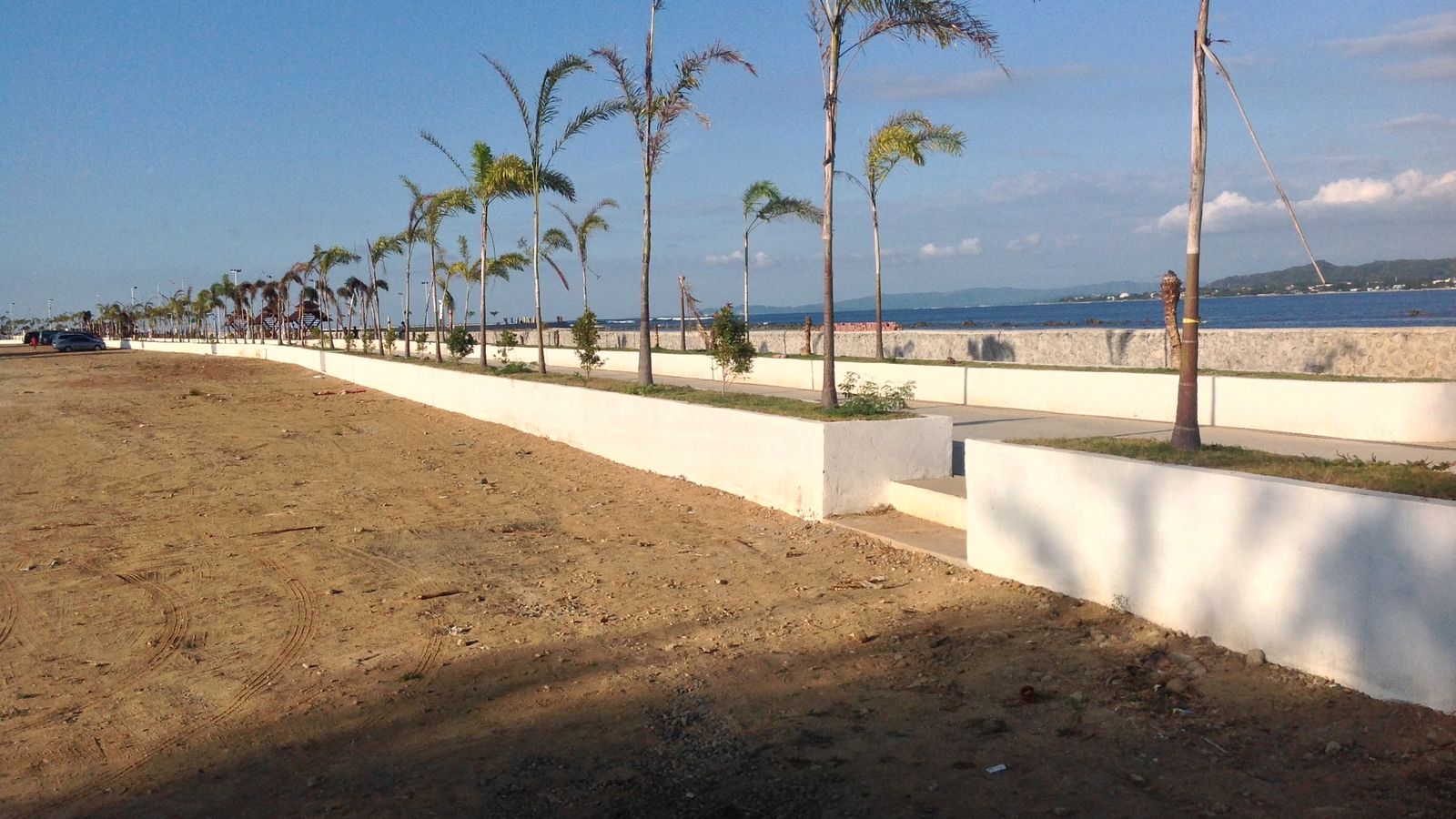
Expat Community
The foreign community is small and skews young. It includes surfers on long stays, a handful of digital nomads, retirees seeking a cheaper coast than Boracay, and weekend visitors from Manila. It does not resemble the established retiree populations in Dumaguete or Baguio. There is less foreign-targeted infrastructure and more day-to-day contact with local residents. Making friends happens in the surf lineup, cafes, and neighborhood rather than through an expat club.
Climate & Weather
PAGASA classifies the Ilocos coast under a Type I climate, with a pronounced dry season from November to April and a wet season from May to October. The surf season runs roughly from October to March when the northern swell arrives. The best waves coincide with the dry season, while flat surf and heavy rains clear out the town in the off-season.
The wet season brings heavy storms rather than light showers. La Union sits in the typhoon belt; between July and October, storms can close roads, cut electricity, and shut down the beach for days. Visit during both seasons before committing to a move. Dry-season La Union and August La Union are very different places.
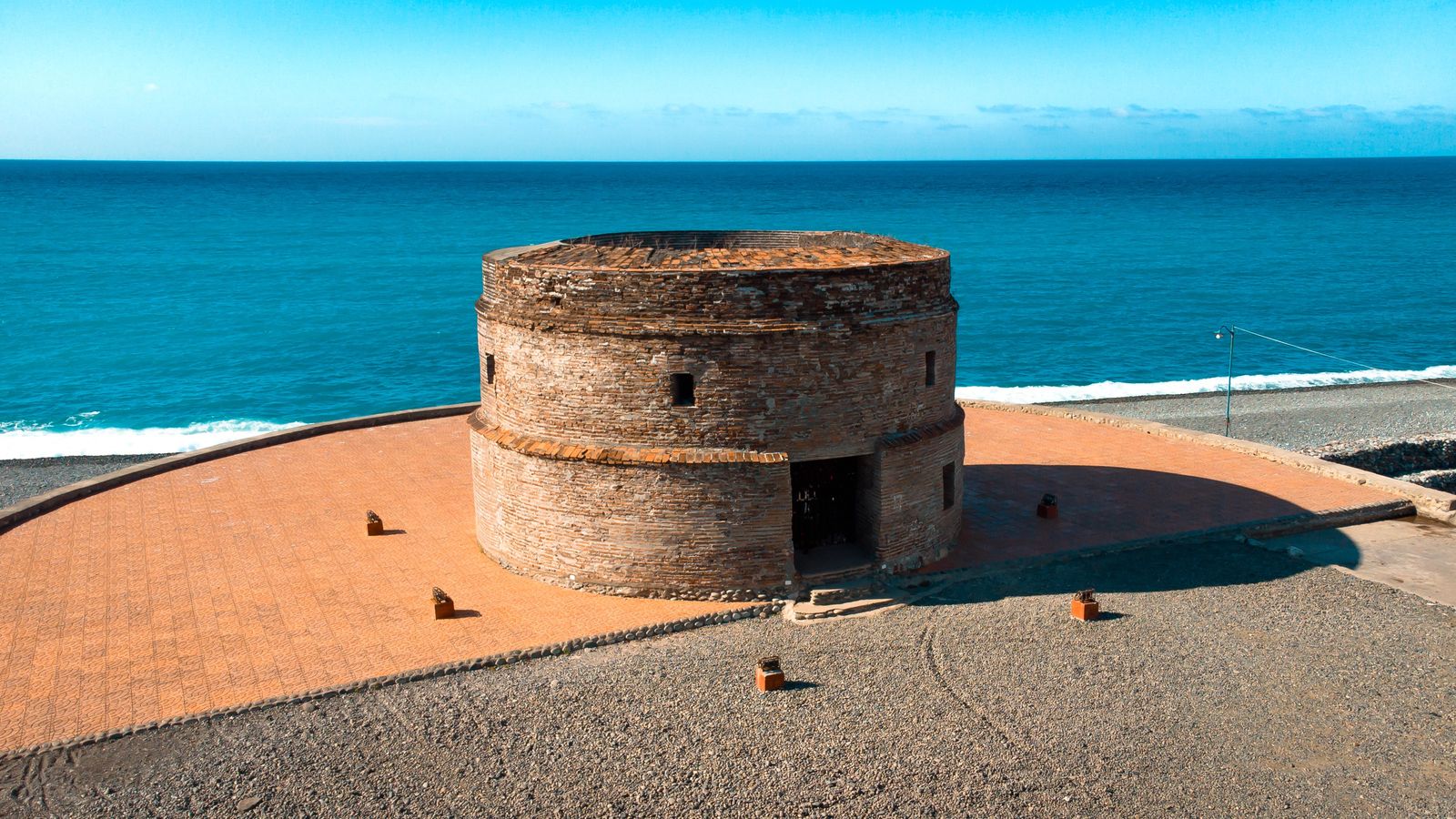
Frank's Take
La Union is the best-value surf town in the Philippines and one of the few places where you can live cheaply within reach of a provincial hospital and a direct bus terminal. If you surf and want an affordable mainland base, put it on your shortlist. If you do not surf, need immediate specialist medical care, or want an established foreign social circle, the coast will feel limited, especially from June to October. A practical approach is renting in San Fernando or San Juan proper for lower long-term housing costs, keeping a small room in Urbiztondo during the surf season, and traveling during the wet months.
Who Should (and Shouldn't) Move Here
La Union suits long-stay surfers, remote workers who do not require gigabit fibre, budget retirees wanting a provincial base within a few hours of Manila, and anyone comfortable living in a predominantly Filipino community. It works for residents who tolerate seasonal quiet and a hospital system that handles general care rather than specialized treatments.
It does not suit people needing immediate access to private tertiary specialists, families requiring nearby international schools, workers dependent on uninterrupted high-speed internet, or anyone looking for an active expat network. For those priorities, Cebu or Baguio cost more but fit better.
Settling in: the paperwork reality
The nearest Philippine Retirement Authority satellite office is in Baguio. The other satellite offices are in Angeles (Clark), Cebu City, and Davao, with headquarters in Makati. Foreigners holding an SRRV should plan on Baguio for in-person PRA tasks such as ID renewals. The Bureau of Immigration field office in San Fernando handles routine transactions such as tourist visa extensions; if you hold or are applying for a 13(a), ask the office which steps it can process locally.
Check which banks open accounts for foreigners in San Fernando rather than the surf strip. Set up a SIM and mobile data plan on day one. Review the first 90 days budget before moving, because upfront lease deposits, advance rent, and buying a scooter add up quickly. If you are shipping household goods, the shipping guide explains what clears customs.
Compare La Union with other cities
Side-by-side cost, safety, and internet comparison.