Cagayan de Oro
Misamis Oriental
Cagayan de Oro is Mindanao's second city: a river port with hospitals, universities, low rents, and a flood season that decides which streets are livable.
Safety and expat-friendliness scores are editorial judgments. Internet figures are planning references, not a speed guarantee for your address.
At a Glance
Location
Monthly Budget Snapshot
Full breakdown →| Budget Level | Est. Monthly Total (USD) |
|---|---|
| Budget | $700 |
| Moderate | $1,100 |
| Comfortable | $1,800 |
USD estimate data updated: 2026-10-04. Amounts in USD.
Living in Cagayan de Oro as an Expat
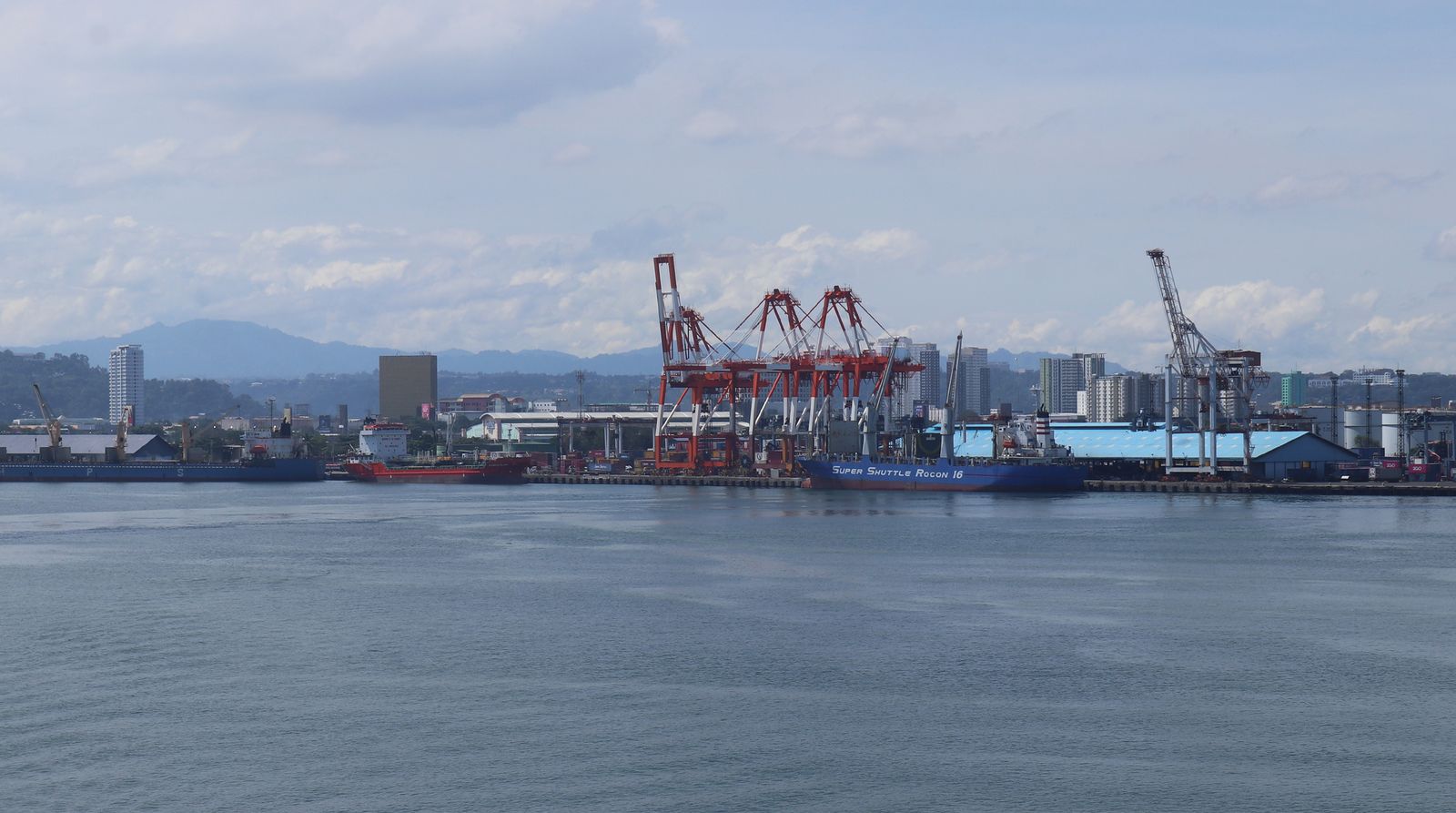
Cagayan de Oro is the biggest city in Northern Mindanao and the tenth-largest in the country. The 2024 census counted 741,617 residents across 80 barangays. It sits on the north coast of Mindanao where the Cagayan River meets Macajalar Bay, and it is the capital of Misamis Oriental. Most people just say CDO.
This is a working regional capital. The economy runs on the port, food processing, and a business-process outsourcing sector that has grown for a decade. Xavier University-Ateneo de Cagayan, Capitol University, Liceo de Cagayan University, and the University of Science and Technology of Southern Philippines give it a large student population and the cheap food and retail that follow one. For a foreigner, the draw is a functioning city with hospitals, malls, an airport and fast internet, at rents well below Cebu or Metro Manila.
Compared with Davao, CDO is smaller and more compact; you can cross the centre in twenty minutes outside rush hour. Compared with Cebu it is quieter, less crowded, and noticeably cheaper. The tradeoff is Mindanao's distance from Manila and the fact that most expat infrastructure sits on Luzon and in Cebu.
Best Neighborhoods
The city splits into an uptown ridge, a downtown commercial core, and a western strip that runs toward the airport.
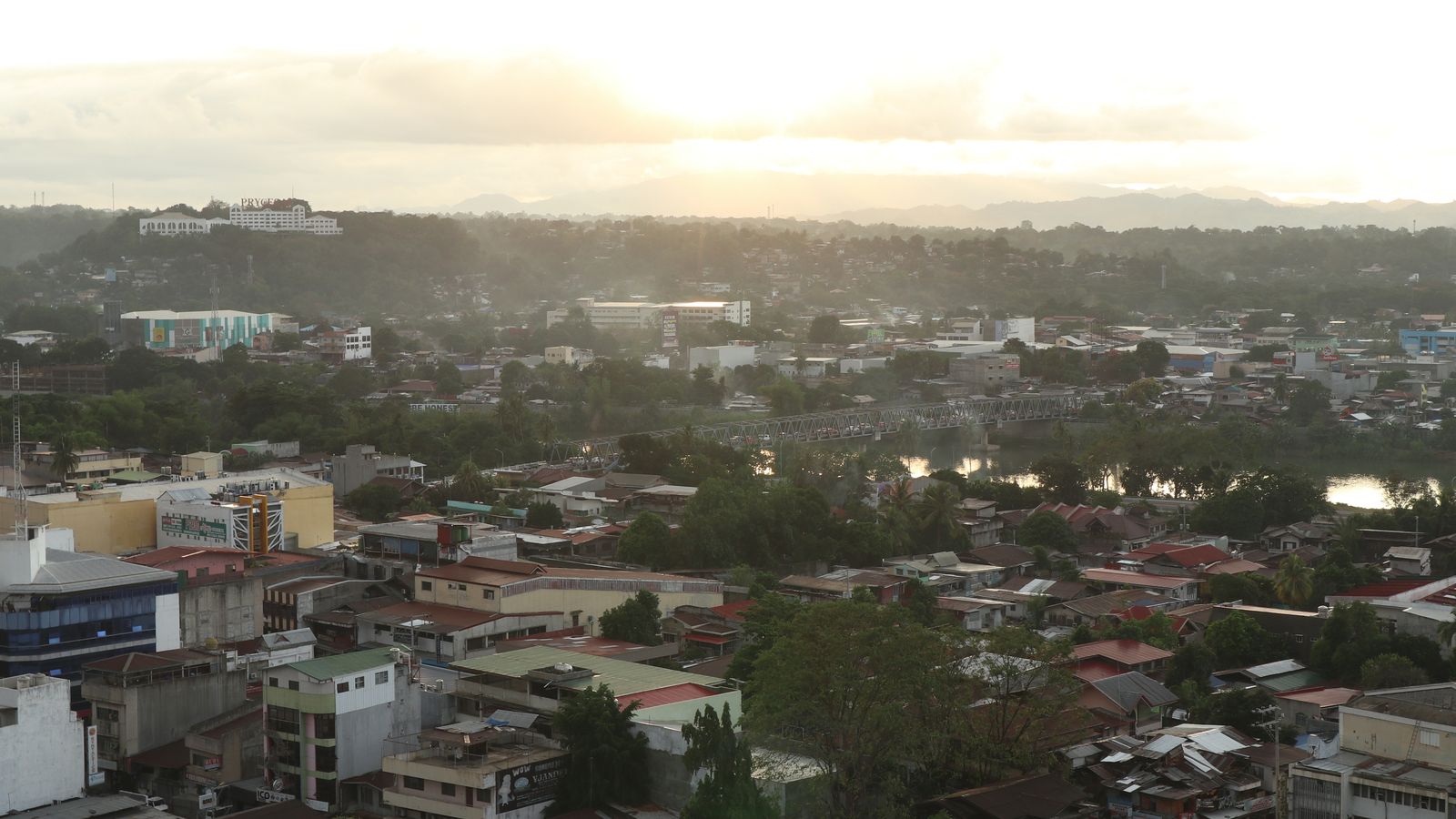
Uptown — Carmen, Patag, Balulang, Kauswagan. These hillside barangays hold the newer subdivisions, gated villages, and larger houses. Carmen alone has 78,612 residents, the most of any barangay in Region X; Balulang has 42,712 and Kauswagan 41,356. The elevation is the selling point: the ridge-top subdivisions sit well above the river. The riverside sitios of these same barangays are a different story, and parts of Carmen and Balulang flooded during Washi in 2011, so check the specific street. Rents are higher than downtown but still low by national standards, and the malls, schools, and restaurants cluster along the ridge roads.
Downtown — Cogon, Lapasan, Poblacion, Divisoria. The commercial core holds the public markets, the older business district, Limketkai, and the port at Macabalan. Rents are the cheapest in the city and it is the most walkable part, but it is noisy and dense and floods first. Cogon Market is the everyday food hub.
West — Bulua, Iponan, Canitoan. Along the highway toward Laguindingan Airport. Newer residential development, big-box retail, and easy access to the airport road. Good for anyone who flies often, less good for walking.
Gusa and the east coast. The beach barangays east of the centre, with resorts and a handful of long-stay rentals. Quieter, more local, and further from the hospitals.
Cost of Living
CDO is one of the cheapest large cities in the Philippines. Crowdsourced data puts a one-bedroom apartment in the city centre at about ₱24,015 a month and one outside the centre at ₱14,112; a three-bedroom in the centre runs about ₱43,600. At roughly ₱62.6 to the dollar in early October 2026, that is about $384, $225, and $696.
The full cost breakdown for the city puts a single person's moderate budget near $1,100 a month, a lean budget near $700, and a comfortable one near $1,800. Long-stay foreigners commonly report living well on $1,500–2,000.
Rent is the largest line and swings the most between neighborhoods. Food stays cheap if you eat locally, where a carinderia meal costs a couple of dollars, and climbs fast once you want imported groceries or Western restaurants. Electricity is the line that surprises people. Air conditioning runs year-round in this climate, and power bills add up in a large house: budget $90–180 a month for a small air-conditioned apartment, more for a house.
Internet & Coworking
Fibre is widely available across the city centre and the uptown subdivisions, with residential plans in the $20–45 range for 35–100 Mbps. PLDT, Globe, and Converge all serve the city. Speeds are generally solid; the weak points are older downtown buildings and the beach barangays, where installation can lag and evening speeds dip.
There is a small coworking scene around the uptown malls and the business district, but it is thinner than Cebu or Metro Manila. Most remote workers take a home fibre line and treat cafes as backup. A local SIM and data plan is worth setting up on arrival.
Healthcare
The city's main public hospital is the Northern Mindanao Medical Center, a Department of Health tertiary facility and the referral centre for the region. The private side includes Capitol University Medical Center, CDO Polymedic Medical Plaza, and Maria Reyna-Xavier University Hospital. Between them they cover most specialties, surgery, and intensive care.
That is a real advantage over smaller Philippine cities: for routine and moderately serious care, you do not have to leave Mindanao. CDO does not have the concentration of sub-specialists and advanced equipment found in Metro Manila or Cebu, so unusual or complex cases still get referred out. Price an international health insurance policy with medical evacuation cover rather than assuming a local plan is enough. PhilHealth covers foreign residents who enroll; the healthcare guide walks through the steps.
Safety
CDO has the crime profile of a large Philippine city. The Police Regional Office for Northern Mindanao reported a 21.6 percent drop in index crimes in the third quarter of 2025. Theft is the most common index offence, with 477 cases in 2024, down about 13 percent on the year. Violent crime against foreigners is rare. Long-term residents give the same advice as anywhere: stay in the well-lit central and uptown areas at night, avoid flashing valuables, and use registered taxis or ride-hailing after dark.
The bigger day-to-day risk is the weather and the river. CDO sits at the mouth of a large river, and the city floods. Tropical Storm Washi (Sendong) in December 2011 killed more than a thousand people across Northern Mindanao, most of them in Cagayan de Oro and neighbouring Iligan, and flooding recurs in the low-lying downtown barangays. If you rent near the river or downtown, ask about the flood history of the specific street, not the barangay.
Food & Dining
CDO eats well and cheaply. Cogon Market and the downtown streets cover the usual Filipino range of lechon, grilled fish, sinuglaw, and Mindanao favourites. The uptown malls and the Divisoria area carry the sit-down restaurants, cafes, and a growing number of Korean and Japanese places. Seafood is fresh and inexpensive when bought at the market. A local meal costs a couple of dollars; a Western dinner in an uptown restaurant runs $10–20.
Getting Around
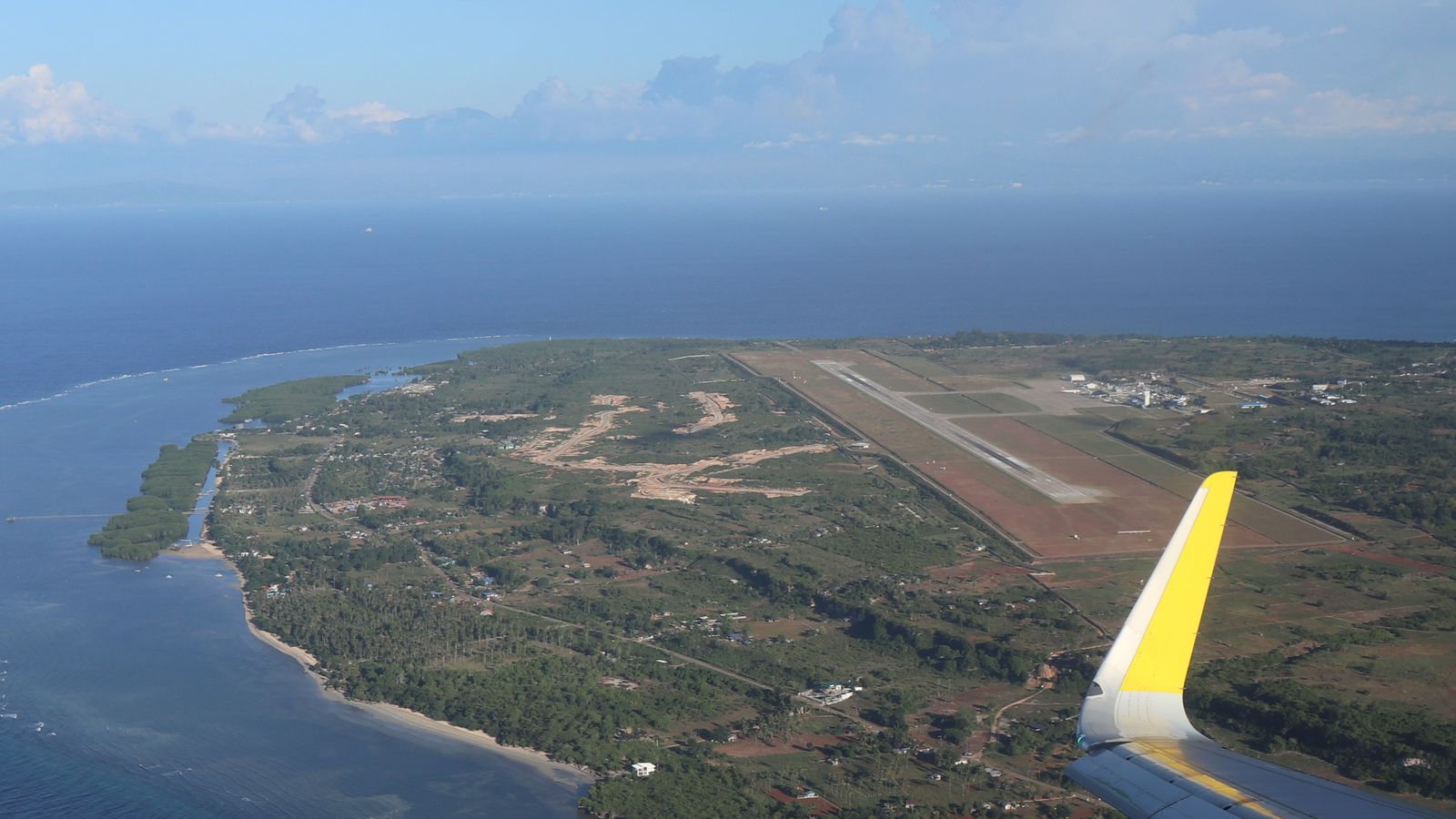
CDO's airport is Laguindingan, about 46 kilometres west of the city and roughly 45 to 60 minutes by road depending on traffic. It handles domestic flights, with Manila about an hour and 35 minutes away, plus Cebu, Iloilo, and Davao. It is the main gateway to Northern Mindanao.
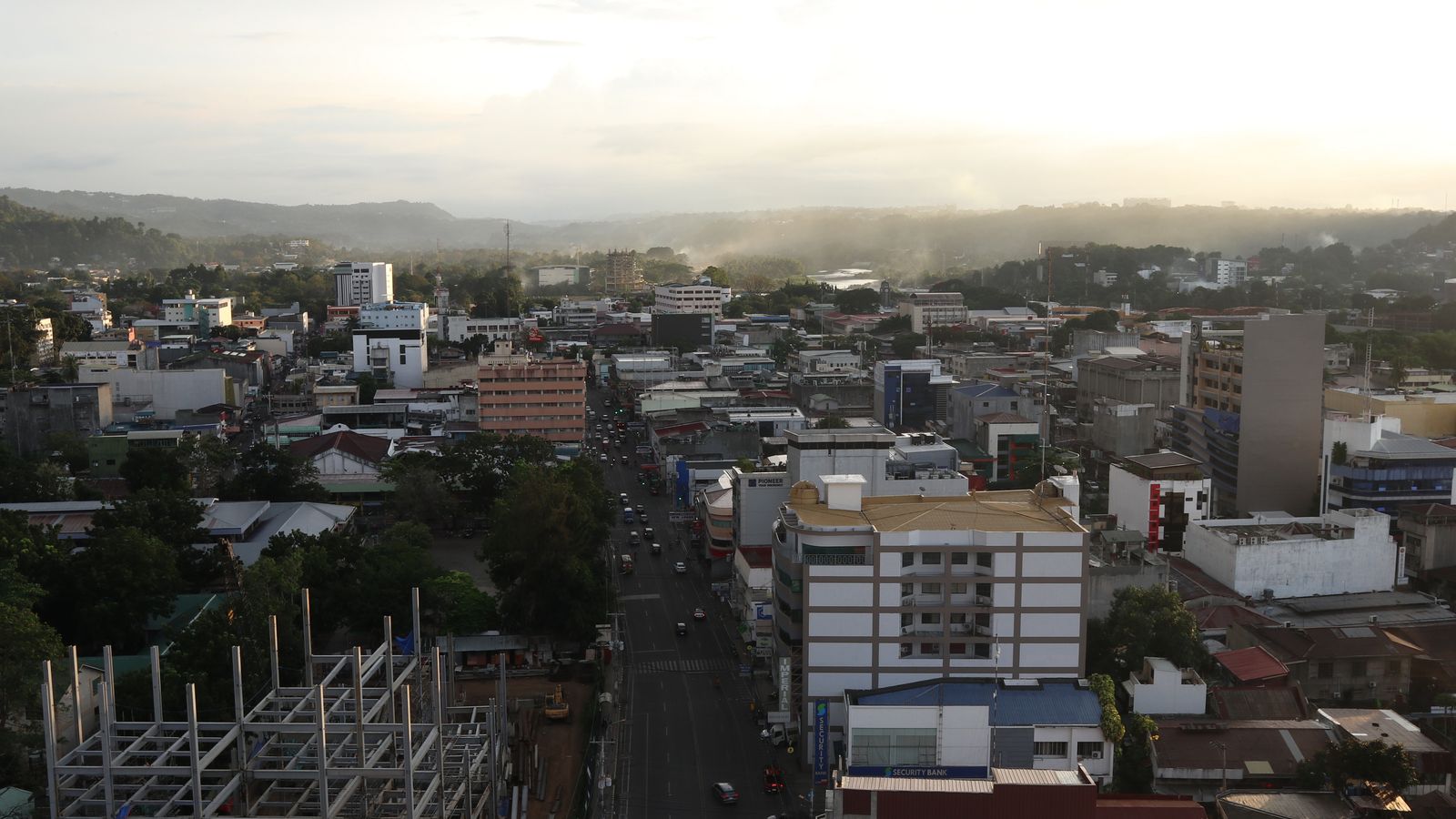
Inside the city, jeepneys and multicabs run the main corridors and tricycles cover short trips. Fares are among the lowest in the country. Ride-hailing (Grab and the local Maxim) works in the centre and uptown but thins out late at night and in the beach barangays. Traffic is heavy at rush hour, especially on the bridges and the downtown one-way streets; a car or motorbike helps if you live uptown or west. See the transportation guide for the rules and the driver's licence guide for converting an overseas licence.
Expat Community
CDO has a modest but established foreign community of retirees, remote workers, and a few long-stay divers and adventurers drawn by the whitewater rafting and access to Bukidnon and Camiguin. It is not the dense expat scene of Cebu, Dumaguete, or Angeles, and there is no single foreigner quarter. Social life runs through the universities, the golf and diving clubs, and Facebook groups more than through a bar strip. Making friends here means plugging into local life rather than an expat bubble.
Climate & Weather
Cagayan de Oro has a PAGASA Type III climate: the seasons are not sharply divided, it is relatively dry from November to April, and the rest of the year is wet. Rain is heaviest from June to October. Temperatures sit in the high 20s to low 30s Celsius year-round, with high humidity.
Mindanao lies largely south of the main typhoon track, so CDO rarely takes the direct hits that strike Luzon and the eastern Visayas most years. That does not make it storm-free: rain that falls inland on the Bukidnon plateau drains down the Cagayan River and floods the city, which is how Washi did its damage. The dry months are the comfortable ones; plan viewings and arrivals for those if you can.
Frank's Take
Cagayan de Oro is the most liveable city in Mindanao that most foreigners have never considered. It has a real hospital system, an airport, fast internet, universities, and rents a single person can cover on a modest pension or remote salary. If you want a Philippine city that feels like a city and you are comfortable being far from Manila, it belongs on your shortlist.
The honest caveats: it floods, the traffic is worse than its size suggests, and the foreign community is small enough that you will live mostly among Filipinos. If you need an active expat social scene, specialist medical care, or a short hop to Manila, look at Cebu instead; Davao is the Mindanao alternative with a larger expat scene. If you want cheap, functional city living in Mindanao, CDO delivers.
Who Should (and Shouldn't) Move Here
It suits budget retirees, remote workers who want a real city at low cost, and anyone drawn to outdoor access, with rafting, diving, and the mountains of Bukidnon close by. It works for people happy to live in a predominantly Filipino community without an expat network.
It does not suit people who need frequent, fast access to Manila, families requiring international schools, anyone with a serious ongoing medical condition that needs sub-specialist care, or people who want an established foreign social scene. For those, Cebu or Metro Manila fit better despite the higher cost.
Settling in: the paperwork reality
The nearest Philippine Retirement Authority satellite office is in Davao City, with the other satellite offices in Baguio, Angeles (Clark), and Cebu City and headquarters in Makati. Foreigners holding an SRRV travel to Davao for renewals and administrative tasks; plan for that. The Bureau of Immigration has a field office in CDO for routine matters such as a tourist visa extension; confirm with the office before assuming it can take a 13(a) application, which may need to go through Manila.
Check which banks open accounts for foreigners once you have your ACR I-Card and proof of address. Set up a SIM and mobile data plan on day one. Run the numbers on the first 90 days budget before you commit, because advance rent, deposits, and furnishing a place add up faster than the monthly cost suggests. If you are shipping household goods, the shipping guide explains what clears customs.
Compare Cagayan de Oro with other cities
Side-by-side cost, safety, and internet comparison.