Best Nightlife Cities in the Philippines
Where to find the best bars, restaurants, and social scene for young expats.
The Ranked List
Why These Cities?
The Philippines has a reputation for nightlife and it's partly deserved, partly overstated, and almost entirely misunderstood by people who haven't spent real time here.
The reputation: Manila has wild nightlife. The reality: a few specific neighborhoods in specific cities have excellent nightlife. The rest of the country closes at 10pm and the noise you hear is a karaoke bar in someone's garage. That's not nothing — karaoke at someone's tita's house at midnight with lechon on the table is a peak Philippine experience — but it's not what most people imagine when they hear "Philippine nightlife."
This list is about cities where you can find a genuinely good night out: craft bars, live music, late kitchens, places worth leaving the house for. It's not a list of red-light districts — if that's what you're looking for, the internet has guides and I'm not writing one. I'm writing about expat social scenes, good drinking, good food, and the cities that have built enough density in all of those categories to matter.
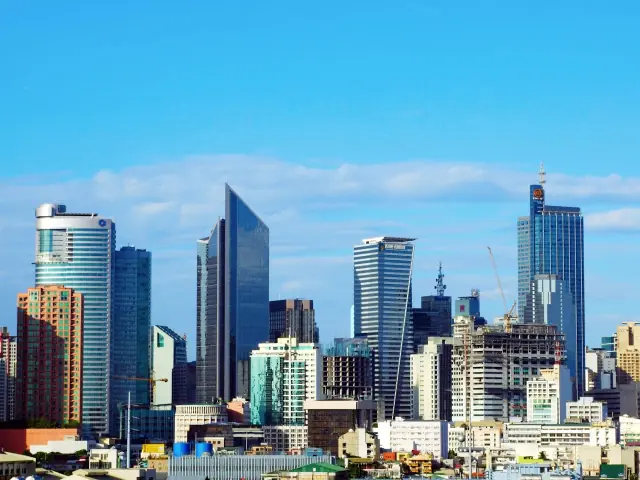
1. Makati — Poblacion Is Unbeatable
If you've been in the Philippines for any length of time and you haven't spent a Friday night in Poblacion, you've missed the best neighborhood the country has built in the last decade.
Poblacion was a quiet residential barrio in Makati ten years ago. Nobody agrees on exactly when it tipped, but at some point the cheap rents, the old shophouses, and the proximity to the Makati CBD attracted a critical mass of bars, restaurants, and the people who run them. Now it's Metro Manila's best neighborhood for eating and drinking, and the transformation happened faster and more completely than any local development I can think of.
The craft cocktail bars are the headline: Rocket Room does well-made drinks in a room that doesn't feel like it's trying too hard. The Back Room is the wine-forward option for a slower, more adult evening. Handlebar is the dive-bar antidote to Poblacion's occasional pretension — a motorcycle-themed bar where nobody is performing cool. El Chupacabra is where expats reliably find each other on a Friday: tacos, cold beers, acceptable margaritas, the comfortable chaos of a place that's been popular for years without losing its mind about it.
For food before or between drinks: Metronome does modern Filipino that's actually interesting. Za Sauce is late-night pasta done correctly. The carinderia strip on Rada Street in Legazpi Village (10 minutes' walk from Poblacion's center) is for the 1am hunger that no amount of elevated cuisine properly addresses — rice and two viands for ₱100.
The walkability is what makes Poblacion work as a night-out neighborhood. Everything is within 3–4 blocks. You can bar-hop on foot. You can leave one place because it's too loud and walk to another in four minutes. This sounds like a low bar and it is — but the Philippines doesn't clear it very often, and Poblacion consistently does.
Condo rent in Poblacion: ₱18,000–₱35,000/month — lower than Salcedo Village and Legazpi, partly because the streets are noisier. The buildings are older. The trade-off is worth it if going out is part of your regular life.
Bottom line: The best expat bar neighborhood in the Philippines. Not the flashiest, not the most upscale, but the most consistently good.
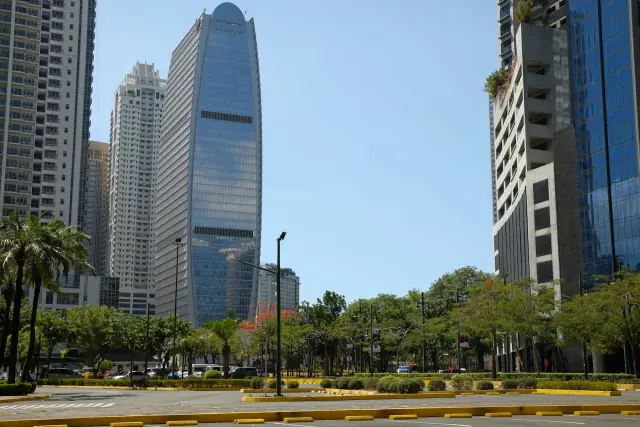
2. BGC — High Street, Late Dining, Club Options
BGC's nightlife is polished, slightly expensive, and better than its "corporate district" reputation suggests — as long as you know what to expect.
High Street is the main commercial spine, and on a Friday or Saturday evening it's genuinely alive. The restaurants along 5th Avenue and 9th Avenue are doing good business until midnight. The Mercato Centrale night market (Friday–Sunday, near the 5th and 9th Avenue corner) is the best casual eating destination in BGC — Filipino BBQ, fresh lumpia, cold San Miguel, a crowd that includes everyone from families to the post-dinner club circuit. ₱100–₱300 per dish.
The restaurants at Burgos Circle and Forbestown are where the BGC dining scene gets serious: higher-end, later hours, the kind of places that justify the ₱1,500–₱4,000 dinner price point. Helm on 5th Avenue does contemporary Filipino at a level that matches its cost. The rooftop bars along the High Street corridor are standard for the expat young-professional crowd — not particularly distinctive, but functional and consistent.
Clubbing infrastructure exists, primarily around The Fort Strip and the various megaclub venues that have cycled through the BGC addresses over the years. The club scene in BGC is more upscale and less interesting than Poblacion's bar scene — it's where Filipino celebrities go and where the corporate crowd dresses up on special occasions. Worth knowing about; not worth organizing your life around.
The honest comparison: BGC has more polished infrastructure, higher price points, and a slightly straighter-edged social scene than Makati's Poblacion. You're more likely to find a suit at a BGC bar than in Poblacion, and more likely to find someone interesting in Poblacion than in BGC. Both are accessible from each other — the Grab from Poblacion to High Street takes 15–20 minutes in the evening. Many people start in one and end in the other.
Bottom line: The upscale option. Good for people who want polished, expensive, and easy. Less interesting than Poblacion but more consistently adult.
3. Cebu — IT Park Bars, Growing Scene, Lechon First
Cebu's nightlife has been growing steadily and IT Park is now genuinely worth a dedicated night.
The IT Park food hall and the bars along the park's main road stay alive well past midnight on weekends. The Social on IT Park is the reliable expat bar. The craft beer spots in Lahug draw a younger, mixed Filipino-expat crowd. The concentration of 24-hour restaurants in IT Park means the eating options extend past any reasonable closing time.
For the true Cebu night-out experience, though, you start at dinner. Rico's Lechon or Zubuchon for the best lechon in the Philippines — roast pig with crackling skin that has no business being this good, at prices that make you question the laws of economics. Dinner for two with enough lechon to embarrass yourselves: ₱1,500–₱2,500. You do this first.
Then Larsian sa Fuente for the classic Cebu night market experience: plastic chairs in a maze of stalls, charcoal smoke, cold San Miguel, stick after stick of BBQ pork, ngohiong (Cebuano fried spring rolls), grilled seafood. The price is almost nothing. The experience is irreplaceable.
Beyond those anchors, Cebu's nightlife scene is growing but uneven. The Mango Square area near downtown is the older nightlife district — loud, chaotic, still active, more local than expat. The newer development around IT Park and Lahug has better bars for the craft-cocktail crowd. Mactan has resort bars if you're staying oceanside.
Honest caveat: Cebu's nightlife is genuinely good in the places I've described and noticeably thin outside them. If you exhaust Larsian and IT Park on your first two weekends, you'll start to feel the limits. It's a real city with a real scene; it's not Manila.
Bottom line: The lechon alone puts this on the list. IT Park's 24-hour culture is genuinely useful. The scene is growing and real without being exceptional.
4. Angeles — Fields Avenue and the Rest
Angeles City requires a direct conversation because of what it is, and I'm having that conversation rather than pretending the entertainment district doesn't exist or pretending that's all there is.
Fields Avenue is a red-light district. It has been since the US Air Force was based at Clark Air Base next door. Hostess bars, go-go bars, the associated tourism ecosystem — it's real, it's significant, and if you find that environment deeply off-putting, this is probably not where you want to spend your Friday nights even if you're not participating.
But here's what Angeles also has, and why it's on this list:
Aling Lucing's on Sto. Rosario Street is where sisig was invented. The original Lucia Cunanan created sizzling sisig from pig face and ears — the version you find on every menu in every Philippine city that isn't really sisig started here. The current operation keeps the legacy. A plate of sisig, ice-cold San Miguel, and the knowledge that you're eating the original — that's a real night out regardless of what neighborhood it's in.
Bale Dutung, artist Claude Tayag's reservation-only prix-fixe restaurant, is the most refined Kapampangan table in the country. ₱2,000+/person. Worth it for serious eaters.
The Korean BBQ strip in Angeles has proliferated — the Korean community tied to Clark Freeport's business operations has built a legitimate strip of Korean restaurants that do solid KBBQ at prices well below Seoul or Seoul-in-Manila prices.
Clark Freeport itself has expat bar options that don't require engaging with Fields Avenue — and most long-term expats in Angeles have built their social life entirely within the Freeport and Hensonville, knowing where Fields Avenue is and treating it as background geography.
The honest assessment: Angeles nightlife is interesting if you're into the food and the specific American-expat-veteran bar culture of Clark, and uncomfortable if you're not prepared for what Fields Avenue actually is. I'd go for the sisig. I'd stay for the Kapampangan dinner at Bale Dutung. I'd leave before midnight because the best things Angeles has are earlier in the evening.
Bottom line: Right for people who want Kapampangan food, the sisig pilgrimage, and the American-base social energy. Honest about what the entertainment district is without moralizing about it.
5. Manila — Raw Energy, Binondo First, Malate Never Quite Died
Manila proper is last on this list not because it's the worst nightlife city but because it requires the most navigation to access what's actually good. There are no shortcuts. The city rewards people who know it.
Binondo is the main event, but it's an evening event rather than a late-night one. The world's oldest Chinatown, established in 1594, has the highest concentration of excellent cheap food in the Philippines. Wai Ying on Benavidez Street for dimsum that I think about when I'm eating a $17 dumplings plate in New York. President Grand Palace on Ongpin Street for roast pig and lobster with egg tofu at proper banquet scale. The noodle shops off Ongpin for beef tendon soup at ₱120 that will end your evening in the most satisfying possible way. Dinner in Binondo for two: ₱500–₱800 if you're sensible, significantly more if you order like the table will be replenished.
Binondo runs early by nightlife standards — the best spots are busiest at 6–9pm. For the late-night component, Malate is where Manila's bar scene still exists, diminished from its 1990s peak but not dead. The area around Remedios Circle has a mix of bars that range from genuinely good to questionable and back. Aristocrat Restaurant on Roxas Boulevard has been serving Filipino comfort food since 1936 and stays open late — the chicken barbecue and java rice are the 11pm meal you didn't plan for.
The Manila Bay boardwalk cleanup has improved the baywalk experience significantly. Open-air spots, cold beer, fried seafood, the sunset over the bay on a clear evening — genuinely one of the nicer things you can do in Manila for almost nothing.
What Manila doesn't have at the moment: Poblacion's craft bar scene, BGC's polished restaurant corridor, the organized expat social infrastructure of Makati. What it has instead: older, stranger, more layered. The Spanish colonial walls of Intramuros a block from a karaoke bar from the '80s a block from a 1945-vintage dimsum house that hasn't changed its menu. That layering is something. Whether it's what you want from a night out depends on what you want from a night out.
Bottom line: For food crawls through Binondo. For the raw cultural texture of Filipino urban life. Not for a standard organized expat night out — Makati and BGC do that better. Manila does something those cities can't, but you have to go looking for it.
What Time Is "Late" in the Philippines
One calibration note before you plan anything: Philippine nightlife runs earlier than you might expect from a tropical country with a party reputation.
Makati's Poblacion peaks at 10pm–1am on Fridays and Saturdays. BGC dinner reservations fill at 7–9pm; bars hit their stride at 10pm–midnight. Cebu's IT Park runs until 2am but the serious crowd arrives at 9–10pm. Manila's Binondo is at its best at 6–9pm — if you show up at 11pm expecting full dimsum houses, you'll find some things closed.
The notable exception: after-midnight in Manila and Makati has 24-hour carinderia culture and occasional bars with late licenses that stay active until 3–4am. But the main scene is earlier than European or Latin American nightlife by about two hours.
Compare these cities side-by-side
Cost of living, safety scores, internet speed, and more.