Best Places for Families in the Philippines
Ranked by safety, international schools, healthcare, family-friendly neighborhoods, and cost.
The Ranked List

Why These Cities?
Moving a family to the Philippines is a different calculation from moving solo. The variables that matter most change: you're not optimizing for nightlife or nomad community or the lowest possible rent. You're looking at school options, pediatric care, the kind of neighborhood where a twelve-year-old can exist without requiring constant supervision, and the safety picture not just for yourself but for people who can't evaluate risk the way an adult can.
The Philippines handles families better than its reputation suggests. The country is genuinely warm toward children — you'll be welcomed with the kids in ways that some cultures don't manage. But the infrastructure gaps are real, and the international school situation in particular is concentrated in a few specific cities. This list is organized around the hard practical constraints, not the lifestyle photography.
1. BGC — Built for Families (Whether It Meant To or Not)
BGC tops this list for families and it's not particularly close.
The schools are the driving factor. International School Manila (ISM) is one of the best international schools in Southeast Asia — an IB World School with a rigorous curriculum, comprehensive extracurriculars, and a parent community that provides significant social infrastructure for newly arrived expat families. It sits on the BGC–Taguig border. British School Manila is in the same corridor, strong on the British national curriculum, smaller than ISM and more personal for some families. Both schools draw from the BGC and Makati expat communities. Both have waiting lists — register early.
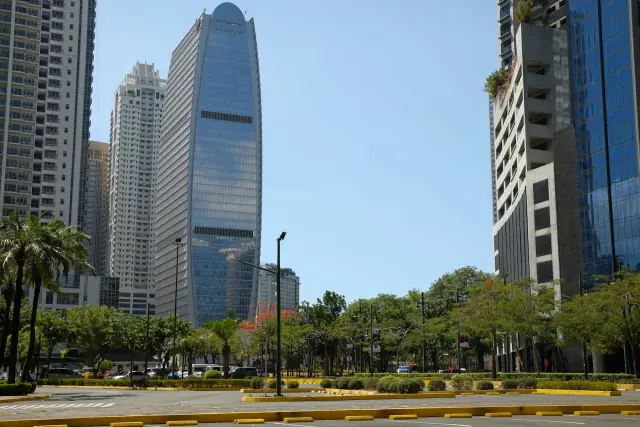
Safety is BGC's other structural advantage. The combination of 24/7 private security patrols, comprehensive CCTV coverage, controlled vehicle entry at major access points, and consistent street lighting creates an environment where serious crime is very rare. The BGC Security force manages the district separately from Taguig police. It is — by a meaningful margin — the safest district in the Philippines. For families with children who want to walk to school, ride bikes in the neighborhood, or spend a Saturday afternoon at High Street without an escort, this matters.
Healthcare: St. Luke's Medical Center Global City on 5th Avenue is the best hospital in Metro Manila and one of the best in Southeast Asia. JCI-accredited, modern facilities, internationally trained specialists. For pediatric emergencies or specialist care, BGC residents have the country's best private hospital within their district.
The walkability is real. BGC's internal grid is legible, the sidewalks are maintained, and the Free BGC Bus loops through the district. Children can actually move around the neighborhood without a driver — a rarity in the Philippines that families with older kids genuinely appreciate.
Cost is the obvious trade-off. BGC is the most expensive place to live in the Philippines. A two-bedroom condo: ₱60,000–₱120,000/month ($1,075–$2,150). A comfortable family lifestyle — condo, school fees (ISM tuition runs around ₱700,000–₱1,000,000/year depending on grade level), groceries, transport — is a significant monthly commitment. BGC makes sense for families on corporate housing packages or with generous relocation allowances. For families on self-directed budgets, the math gets tight.
Bottom line: The single best place for families who need ISM or British School access, want maximum safety, and have the budget to match BGC's premium.
2. Makati — The Practical Second Choice
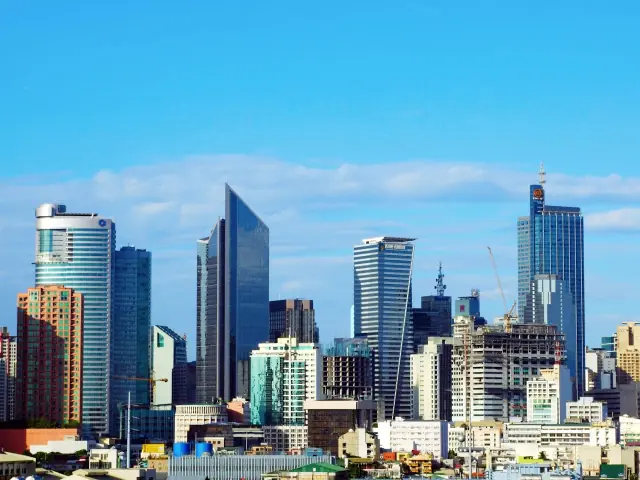
Makati is the right answer for families who want most of BGC's advantages at a meaningfully lower cost, and are willing to accept slightly more urban complexity in exchange.
Schools: Brent International School Manila is Makati's anchor international school — a US accredited school with a long history in the Philippines, smaller than ISM, with a strong reputation particularly for its university preparation. Reedley International School in San Juan (20–30 minute Grab from Makati) is another solid option. Some families choose BGC schools specifically and commute from Makati — the BGC-to-Makati corridor is annoying in traffic but daily school runs are manageable with the right timing.
Neighborhoods: Rockwell Center is Makati's most family-friendly option — a gated mixed-use development, quieter than Poblacion or Salcedo, with Power Plant Mall, good security, and a residential community that feels more predictable than the surrounding city. Condo prices here are higher than comparable Makati addresses: ₱40,000–₱80,000/month for a one-bedroom, proportionally more for a two-bedroom. Bel-Air and San Lorenzo Village are for families who want actual houses with yards and driveways — expat families on company packages often land here. Monthly rents for a house: ₱60,000–₱150,000+ depending on size.
Healthcare: Makati Medical Center on Amorsolo Street is excellent — one of the best private hospitals in the country, good pediatric specialists, modern facilities. BGC's St. Luke's is a 15-minute Grab away for anything requiring that level of subspecialty. Makati families have effectively two world-class hospitals within reach.
The safety picture is strong within the CBD. Legazpi, Salcedo, and Rockwell are well-lit, well-patrolled, and have consistent foot traffic. The parts of Makati to be more careful about — Guadalupe, some of the areas east of the CBD — are where you generally aren't living as an expat family. Normal awareness applies.
Cost advantage over BGC: real and significant. A Rockwell two-bedroom runs roughly ₱70,000–₱100,000/month compared to ₱80,000–₱120,000+ in BGC for comparable space. Makati's restaurant and grocery pricing is slightly lower than BGC's, and the overall cost of living runs ₱20,000–₱30,000/month cheaper for a family with similar lifestyle expectations.
Bottom line: Best for families who want Makati's food scene and slightly lower costs, are comfortable with BGC-school commutes, and don't need the Freeport-level security of BGC.
3. Cebu City — For Families Who Want Island Access
Cebu is the right answer for families who want to raise children somewhere that isn't entirely urban — who want the international school options and the hospital access but also want a Saturday that involves a beach instead of a mall.
The school options are real. Cebu International School (CIS) near the Talamban area is the established international school — IB World School, well-regarded, with a diverse student body. It's not ISM-sized, and the facilities are more modest, but the academic program is legitimate and the community is tight-knit. Some families also use International British Academy Cebu and a few other options depending on curriculum preference.
Healthcare: Chong Hua Hospital and Cebu Doctors' University Hospital are both world-class by Southeast Asian standards. For pediatric care, specialist consultations, and emergency situations, Cebu families have genuine hospital options that don't require flying to Manila.
For neighborhoods, Banilad and Lahug are the family zones — residential areas outside the commercial intensity of IT Park, with a mix of houses and condos and streets that have actual trees. Ayala Center and Cebu Business Park are quieter and more polished than IT Park, and the proximity to S&R, Rustan's Supermarket, and Ayala Center mall is the kind of practical convenience that matters with children. Mactan Island is for families who want their front door to be genuinely close to water — the beach resorts at Maribago are accessible, and the international airport is there. The 20–40 minute commute back to the city is the trade-off.
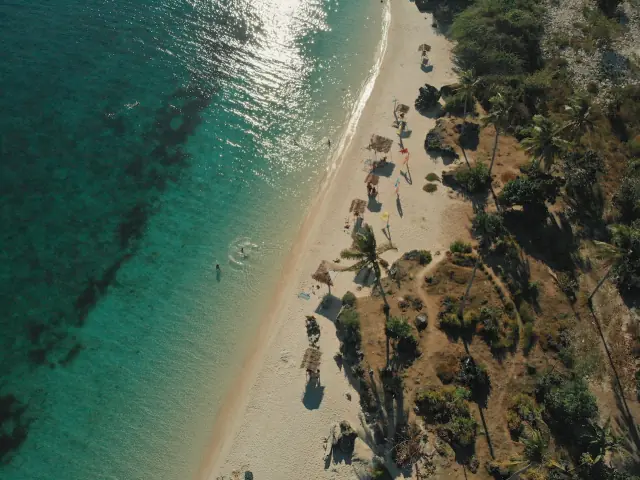
The quality-of-life advantage Cebu has over BGC and Makati for families: within 30 minutes, you can be at white-sand beaches, dive sites, and resorts. Moalboal for weekend snorkeling. Malapascua for thresher shark dives. That access shapes what childhood in the Philippines looks and feels like in a way that is genuinely different from growing up in an urban condo district.
Cost: meaningfully lower than BGC or Makati. A comfortable family lifestyle in Cebu — two-bedroom condo in a good neighborhood, school fees, groceries, regular restaurant meals — runs substantially less than the equivalent in Metro Manila. Rents for a solid family-sized condo in Banilad or Lahug: ₱25,000–₱50,000/month.
Bottom line: Best for families who actively want beach and island access as part of their children's experience, and can accept slightly smaller international school options than ISM.
4. Subic Bay — Safe, Outdoor, Limited on Schools
Subic Bay makes this list because of two things: safety and outdoor access. It falls to #4 because the school situation requires honest management.
Inside the Subic Bay Freeport Zone, the safety infrastructure from the naval base era is still functional and very real. Wide, paved roads, full security at entry points, 24/7 monitoring, genuinely low crime. For families with young children who want the maximum security environment outside of BGC, Subic's Freeport Zone delivers. Kids can ride bikes on the actual bike paths inside the zone — that sentence contains two things that barely exist elsewhere in the Philippines.
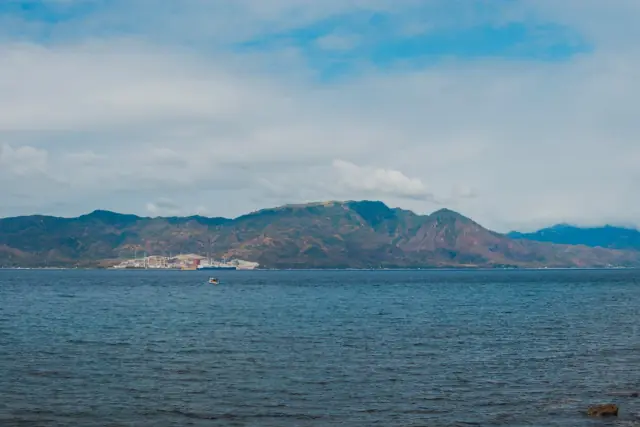
The outdoor access is exceptional. The Subic Bay wreck diving is world-class for older children interested in diving. The Subic Bay rainforest offers zip-lining, mountain biking, and hiking trails within the Freeport itself. Barretto has bay beach access. This is the kind of childhood environment — outdoor, active, connected to nature — that's harder to find in urban Makati or BGC.
The school limitation is real. There is no international school inside the Freeport. Families at Subic generally use one of three approaches: the Subic Bay International School in Olongapo City (modest options, not equivalent to ISM), homeschooling or online programs (a significant population of expat families in Subic takes this route), or commuting to Clark/Angeles area schools (approximately 45 minutes by the Subic-Clark expressway). None of these is a clean solution. For families with primary-school-age children who are flexible about curriculum format, Subic can work. For families with high school students needing international qualifications and college prep, the school situation requires a plan.
Healthcare: James L. Gordon Memorial Hospital for routine care, clinic options inside the Freeport, and Manila 2.5–3 hours away for anything serious. For families with healthy children, this is manageable. For families with children managing chronic conditions, factor in the logistics carefully.
Cost: budget-tier. A family lifestyle in the Freeport Zone — house with yard, groceries from S&R, utilities — can be done for ₱45,000–₱80,000/month. The S&R inside the Freeport is the Costco equivalent, which matters more than it sounds when you have children who need consistent food variety.
Bottom line: Best for families who prioritize safety and outdoor lifestyle over urban amenities and school options, and have a clear plan for education — whether homeschool, online, or the Subic-Clark commute.
5. Tagaytay — Cool Climate, No International Schools
Tagaytay is an honest #5: the climate advantage is real and it affects quality of life in ways that feel meaningful when you've lived through Manila humidity with children. But the school situation requires a workaround, and the healthcare gap is real.
At 640 meters above sea level, Tagaytay runs 22–28°C year-round. No air conditioning needed. Mornings are cool enough for a jacket. The Taal Volcano views are dramatic and beautiful. Electric bills drop to ₱1,500–₱3,000/month from the ₱4,000–₱6,000 you'd pay anywhere in the lowlands. For families who've tried the lowland heat and found it genuinely difficult for children's energy and sleep quality, Tagaytay solves a real problem.
But there are no international schools in Tagaytay. None. Families who base here use one of three approaches: Manila commute for school (the SLEX + Tagaytay road is 90 minutes off-peak — some families do this, most find it unsustainable as a daily routine), homeschooling or accredited online programs, or enrollment in local Filipino schools for families committed to integration. The homeschool community in Tagaytay is not tiny — there are expat families who've made it work, and the outdoor environment actually supports that lifestyle in ways a Manila condo doesn't. But it requires a commitment to that educational approach.
Healthcare: the same gap as in the retirement section. Our Lady of Lourdes Hospital for routine care. Anything serious means Manila, with Asian Hospital in Alabang being the closest major private option at approximately 40–50 minutes off-peak via the expressway. For families with healthy children, the occasional Manila hospital trip is manageable. For children with chronic conditions, this is a more significant constraint.
The neighborhood options for families in Tagaytay: Tagaytay Highlands and similar gated developments offer genuinely beautiful environments — the golf course grounds, the views, the cool air — at reasonable costs for the Philippines. ₱18,000–₱50,000/month covers a range from a modest condo to a proper house. Silang (adjacent municipality) has houses with yards at ₱8,000–₱15,000/month — significantly cheaper for families who need space.
Bottom line: Right for families who are committed to homeschooling, value cool climate as a genuine priority, and have Manila ties that make the healthcare logistics workable. Not right for families who need international school access or fast specialist healthcare.
The School Decision Drives Everything Else
The most common mistake I see expat families make when choosing a Philippine city: they pick a city they love as individuals, then scramble to solve the school problem afterward. Don't do that.
If your children need an IB curriculum or a specific international qualification, you're choosing between ISM in BGC, Brent in Makati, or CIS in Cebu — and everything else flows from that choice. If you're committed to homeschooling or an online accredited program, you open up Subic, Tagaytay, and frankly anywhere with adequate internet. If you have a high schooler who needs university preparation, ISM or Brent is worth the BGC or Makati premium.
Start with schools. Work backward to the city.
Compare these cities side-by-side
Cost of living, safety scores, internet speed, and more.