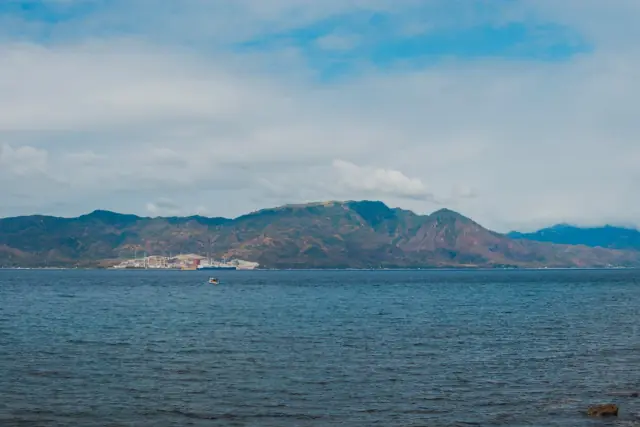
Subic Bay
Zambales
Former US Naval base turned Freeport zone — clean beaches, good infrastructure inside the zone, and a quiet retiree community.
At a Glance
Location
Monthly Budget Snapshot
Full breakdown →| Budget Level | Est. Monthly Total (USD) |
|---|---|
| Budget | $700 |
| Moderate | $1,100 |
| Comfortable | $1,900 |
Last updated: 2026-09-04. Amounts in USD.
Living in Subic Bay as an Expat
There are two Subics, and which one you're in determines almost everything about your experience.
Inside the Subic Bay Freeport Zone — the old Naval Station Subic Bay — the roads are wide and paved, the trees are old and tall, the security checkpoints are staffed, and you can walk at night without thinking twice. Outside the gates in Olongapo City, it's a different calculation: a real Philippine city with real Philippine city conditions. Most expats live inside the Freeport or in the beach barangay of Barretto, and they don't spend much time in Olongapo proper.
This duality is Subic Bay in one image. It's a former US naval base that became one of the better-run special economic zones in Southeast Asia, surrounded by a provincial city that didn't receive the same attention. Know which side of that line you're on.
Overview
Subic Bay Freeport Zone sits at the head of Subic Bay, a deep natural harbor in Zambales province on the western coast of Luzon. The US Navy operated here for over 90 years until the Philippine Senate voted not to renew the base agreement in 1992, partly following the Mount Pinatubo eruption the previous year. The Subic Bay Metropolitan Authority (SBMA) then took over and converted the base into an economic zone.
The result is functional in a way that surprises people. The airstrip became an airport. The naval piers became a port and dive attraction. The base housing became expat residential areas. The old Navy Exchange became modern retail. About 2,000 expats live in or around the Freeport, the majority American, Australian, and British retirees, many with Filipino spouses.
Barretto, a beach community just outside the Freeport gates on the bay, has developed its own expat enclave — more casual, more beachside, and significantly cheaper than living inside the zone.
Best Neighborhoods
Subic Bay Freeport Zone (Binictican, Kalayaan Heights) — the heart of the old base. Wide streets, golf course access, old-growth trees, and former military housing converted to residential use. Premium for the area but modest by any international standard. Rents: ₱18,000–₱40,000/month for a proper house or large apartment.
Barretto — the beach strip outside the Freeport gates, running south along the bay. This is the expat social hub outside the zone: dive shops, expat-owned restaurants, bars, guesthouses. More rustic and lively than inside the gates. Rents: ₱8,000–₱20,000/month. The beach isn't white-sand tropical perfection, but it's a bay view and the dive sites are minutes away.
Olongapo City — outside both Barretto and the Freeport. Lower rents (₱5,000–₱12,000/month) but you lose the Freeport infrastructure advantages. Most expats avoid living here unless the cost difference is essential.
Cost of Living
Subic is budget-tier, but there's a range depending on whether you're inside the Freeport or in Barretto.
- Rent (1BR, Barretto): ₱8,000–₱20,000/month ($140–$360)
- Rent (house, Freeport zone): ₱20,000–₱45,000/month
- Utilities: ₱3,500–₱7,000/month (power in the Freeport is reliable)
- Groceries: SM Olongapo, the Freeport's S&R membership store, local wet markets
- Eating out: Barretto restaurant meal: ₱400–₱800; Freeport restaurants slightly higher
- Monthly total (comfortable): ₱35,000–₱65,000 ($630–$1,200)
Imported goods — American brand groceries, wine, specialty foods — are accessible at the Freeport's duty-free shops and S&R. This matters to expats who want familiar products at manageable prices. It's one of the Freeport's practical advantages.
Internet & Coworking
Internet inside the Freeport Zone is better than Subic's overall average would suggest — SBMA has invested in infrastructure to attract the IT and logistics businesses that operate there. Fiber from PLDT and converge reaches most residential areas in the zone. Expect 25–50 Mbps in good conditions.
Barretto's internet is patchier. Some establishments have decent connections; some rely on cellular data. If remote work matters, confirm the specific address's internet setup before committing.
There are no notable dedicated coworking spaces in Subic — it's not that kind of expat town. Most remote workers operate from home or from cafes in the Freeport. The Harbor Point mall and some coffee shops in the zone have usable wifi.
Healthcare
James L. Gordon Memorial Hospital is the main government hospital in Olongapo. Functional for routine and emergency care, English-speaking staff, but limited for serious specialist cases.
The Subic Bay Freeport Zone has medical clinics inside the zone that handle routine care adequately. Some expats use the clinics attached to the Freeport's larger resort hotels.
For anything requiring real specialist capability — cardiology, oncology, complex surgery — Manila is the realistic destination. The expressway takes 2.5–3.5 hours depending on traffic, or you fly from Diosdado Macapagal (Clark) airport after a 30-minute drive.
American expats with Tricare or private insurance find that the Manila hospitals (Makati Medical, St. Luke's Global City, The Medical City) work with international coverage. The logistics are manageable but you're planning a day trip for specialist care.
Safety
Inside the Freeport Zone: genuinely safe. The security infrastructure from the naval base days never quite left. Checkpoints, cameras, organized response — the zone is well-managed. Safety score inside the gates approaches 9/10.
Barretto is relaxed and safe for the most part. Expat-friendly. The usual precautions apply — don't leave valuables in cars, be aware of your surroundings at night near the bars.
Olongapo City itself had a history as a rough town in the Navy days. It's mellowed considerably, but it's a regular Philippine city and you treat it accordingly. Nothing exceptional to worry about, but not the Freeport's managed calm.
Overall safety score: 8/10, reflecting the Freeport's security and Barretto's generally low-incident character.
Food & Dining
Subic food is solid expat-practical rather than destination dining. Barretto's restaurant strip serves the international crowd that passes through — a mix of Filipino seafood restaurants, Western expat staples (burgers, pasta, fish and chips), and a few places that genuinely surprise you.
Barretto's seafood restaurants along the bay: fresh catch, simple preparation, eaten with a bay view. This is what you come for. A full seafood dinner for two runs ₱1,500–₱2,500.
The Freeport Zone has more polished options — the hotels run their own restaurants, and there are Western chain outlets at Harbor Point. Nothing that would make a Manila foodie travel here specifically, but enough variety for daily life.
S&R Membership Shopping inside the Freeport is the Costco equivalent. Bulk groceries, imported goods, a rotisserie chicken counter that half the expat community relies on. If you're American and moved to the Philippines, S&R makes the transition easier.
Worth a day trip: Iba (the Zambales provincial capital, 1.5 hours north) for grilled seafood on the beach at a fraction of Subic prices.
Getting Around
Getting to Subic from Manila takes 2.5–4 hours by car depending on traffic. The NLEX and SCTEX expressways cover most of the route. A van or bus from Cubao takes 2.5–3 hours; the journey is straightforward.
The nearest proper airport is Diosdado Macapagal International Airport (CRK) in Clark, about 40–45 minutes by car from Subic. Clark has growing direct international flights. There's a Subic-Clark expressway that makes this connection easy.
Within Subic and Olongapo: Grab operates but has limited driver availability compared to Manila or Cebu. Most expats here have a car or motorcycle. Tricycles cover short distances.
For water access: the Freeport Zone has a marina and dive operators running day trips to the ship and aircraft wrecks in Subic Bay. The USS New York (which later became the San Quintin) and other wrecks are legitimate world-class dive destinations.
Expat Community
Subic has around 2,000 registered expats, the majority American, Australian, and British. The community character is similar to Angeles but calmer — retirees and veterans who wanted the familiar American-base environment without Angeles City's entertainment district energy. A significant number are former military or civilian base workers who stayed when the Navy left.
Social life runs through the dive clubs (this is a diving community as much as anything), expat associations, a few well-established bars in Barretto where the same faces appear regularly, and the informal networks that develop in any small community where everyone eventually knows everyone.
There are also active Korean and Chinese business communities tied to the Freeport's industrial and logistics operations.
Climate & Weather
Zambales sits on the western coast of Luzon, which means it faces the South China Sea. It's somewhat shielded from the eastern typhoon tracks by the Cordillera range, but storms that enter from the South China Sea can hit directly.
Temperature range: 24–35°C, tropical throughout. The dry season (November–April) is the preferred time here — low humidity, sunny, calm water for diving. Wet season (June–October) brings rain and occasionally rough bay conditions.
The Subic Bay itself creates a microclimate — the surrounding mountains and bay geometry moderate temperatures slightly compared to open lowlands.
Who Should (and Shouldn't) Move Here
Move here if:
- You want a quieter, smaller version of the former-US-base expat experience compared to Angeles
- Diving is a central part of your life — the wreck diving here is exceptional
- You want beach-adjacent living without the crowds and cost of Boracay
- You're a retiree who values clean infrastructure and a calm environment
- You want proximity to Manila (via expressway) without living in Metro Manila
Don't move here if:
- You need a serious social scene or cultural stimulation — Subic is quiet
- Young professionals or remote workers looking for energy will find it slow
- You need major specialist medical care frequently
- Big-city shopping and dining variety are important to you
Compare Subic Bay with other cities
Side-by-side cost, safety, and internet comparison.