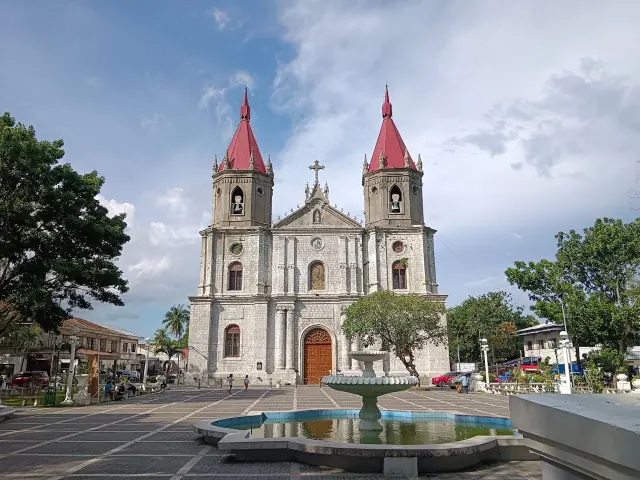
Iloilo
Iloilo
The Philippines' underrated foodie capital — clean, organized, cheap, and nobody's heard of it yet.
At a Glance
Location
Monthly Budget Snapshot
Full breakdown →| Budget Level | Est. Monthly Total (USD) |
|---|---|
| Budget | $500 |
| Moderate | $800 |
| Comfortable | $1,400 |
Last updated: 2026-09-04. Amounts in USD.
Living in Iloilo as an Expat
Iloilo City is the most underrated city in the Philippines. I'll say it plainly. Every expat I know who moved here did so almost by accident — they visited for a weekend, expected nothing, and started apartment hunting by Monday. Clean streets. Good food. A growing economy. And almost zero foreigners, which means rents are priced for locals, not for you.
The city sits on the western coast of Panay Island in the Visayas, two hours by fast ferry from Bacolod and a short hop from Guimaras. It has a real international airport, a functioning road network, and a new business district that actually looks like someone planned it. For the Philippines, this is notable.
Overview
Iloilo has been quietly reinventing itself for a decade. The old Calle Real heritage district — Spanish-era commercial buildings with ornate facades — sits alongside the new Iloilo Business Park, a Megaworld-developed township with condos, restaurants, and IT-BPO offices. The city has a university population that keeps it young and lively without tipping into chaos.
Ilonggos (people from Iloilo) have a reputation for being among the warmest, most gracious people in the Philippines — and I'd say it's deserved. The local dialect is Hiligaynon, but English is solid and Spanish colonial influence is still visible in the architecture and in family surnames all over the city.
Best Neighborhoods
Iloilo Business Park (Mandurriao) is where most expats who want a modern setup end up. It's a planned township — think BGC but smaller and a tenth of the price. New condos, walkable streets, coffee shops, and a Weekend Market on Sundays. Rents here run ₱15,000–₱30,000/month for a one-bedroom.
Jaro is the historic religious center — the minor basilica of Jaro is a landmark — and has good mid-range residential options. Quieter than the Business Park, with more local character. Rents drop to ₱8,000–₱15,000/month for a decent apartment.
City Proper / Calle Real area is for people who want to be in the middle of everything — the old streets, the markets, the restaurants. Dense and lively. Not for light sleepers.
Mandurriao and Lapaz are residential neighborhoods with a mix of local and expat housing. Good for people who want more space and don't need to be in the center.
Cost of Living
Iloilo is genuinely budget-tier. You can live well for $500–$700/month. Comfortably. Not austerity-budget, not hostel-hopping — a real apartment, groceries from Robinsons or Gaisano, eating out at proper restaurants multiple times a week.
Typical expenses for a single person:
- Rent (1BR, decent): ₱8,000–₱20,000/month ($140–$360)
- Utilities (electric, water): ₱2,500–₱5,000/month
- Groceries: ₱6,000–₱10,000/month
- Eating out: A proper dinner at a good Ilonggo restaurant runs ₱300–₱600 per person
- Monthly total: ₱28,000–₱55,000 ($500–$1,000)
The upper end of that range — ₱55,000/month — gets you a nice condo in the Business Park, good food, and occasional Guimaras day trips. Nobody is struggling at that budget here.
Internet & Coworking
Internet in Iloilo is solid. The IT-BPO sector demands it, which means real fiber infrastructure actually got built. PLDT and Converge both operate in the city. Expect 30–50 Mbps on average, with better speeds in the Business Park and newer residential areas.
Coworking options:
- Idealist — the most established coworking space in the city, reliable fiber, good community
- Hive Net Work Hub — newer, good facilities, day passes available
- Hubworx — multiple branches, professional setup, popular with BPO overflow
For remote workers, Iloilo is one of the more reliable choices in the Visayas outside Cebu.
Healthcare
Healthcare in Iloilo is meaningfully better than most cities its size. The two main hospitals both have serious capabilities:
The Medical City Iloilo (Mandurriao) is the private option most expats use. Modern facilities, English-speaking doctors, good specialists. A routine consultation runs ₱800–₱1,500.
Western Visayas Medical Center is the government regional hospital — large, capable, and where complex cases from across the region go. Expect waits, but the medical staff are genuinely skilled.
For anything cardiac, neurological, or oncological, Cebu is about an hour away by plane. Iloilo handles most routine and emergency care well.
Safety
Iloilo consistently ranks as one of the safer Philippine cities. The streets feel calm and organized — none of the aggressive chaos you get in parts of Manila or Cebu. I walk around at night without anxiety here. The city has invested in visible police presence and CCTV, and it shows.
Standard Philippines precautions still apply: don't flash expensive gear, watch your pockets in markets, use Grab at night instead of hailing random tricycles. But Iloilo is about as low-stress as Philippine cities get. Safety score: 8/10.
Food & Dining
Here's where Iloilo overdelivers. It's called the food capital of the Philippines, and while Pampanga would disagree, the claim isn't ridiculous.
La Paz batchoy is the dish to know — a thick noodle soup with pork organs, crushed chicharon, and a deep umami broth that originated in the La Paz public market. Deco's and Ted's Old Timer are the classic names. A bowl costs ₱80–₱150 and is one of the better things you'll eat in the Philippines.
Fresh seafood is everywhere and priced accordingly. The Iloilo Fish Market haul shows up at restaurants all over the city — grilled squid, kinilaw (fresh fish cured in vinegar and ginger, similar to ceviche), steamed crabs. At Tatoy's Manokan and Seafood Restaurant in Villa Beach, a full seafood dinner for two costs ₱1,500–₱2,500 and doesn't disappoint.
Molo soup, pancit molo (pork and shrimp dumpling soup), and Ilonggo-style chicken inasal round out the local repertoire. Iloilo's inasal is different from Bacolod's — less smoky, more subtly seasoned. Both are good. Don't start arguments about which is better; Ilonggos take food seriously.
For coffee and working lunches: Cafe Amigo on Iznart, Salvacion Craft Coffee in the Business Park, and Bo's Coffee branches everywhere for reliable wifi and decent espresso.
Getting Around
Iloilo is medium-sized enough that you need some form of transport. The good news: it's manageable.
Jeepneys cover most main routes and cost ₱12–₱15. The system makes sense once you've ridden it a few times.
Grab is reliable in the city center and Business Park area. A ride across the city runs ₱80–₱150.
Tricycles cover shorter neighborhood hops and cost ₱30–₱60 for a point-to-point.
Renting a car or scooter makes sense if you're going to Miag-ao (the UNESCO baroque church), the beaches south of the city, or day trips around the province. Scooter rental runs about ₱400–₱600/day.
Iloilo International Airport is 20 minutes from the city center with regular flights to Manila (1.5 hours) and Cebu (45 minutes). Getting in and out is easy, which matters more than people admit when choosing a base.
The fast ferry to Guimaras Island takes 10–15 minutes from Fort San Pedro wharf. Guimaras produces what many (myself included) consider the best mangoes on earth — the Carabao mango from Guimaras in season is genuinely worth a detour.
Expat Community
Small. Growing, but small. If you're coming from Dumaguete or Cebu, the established expat social infrastructure won't be here. No big VFW post, no weekly hash runs with 200 people.
What exists: a handful of expat Facebook groups, some regulars at the coworking spaces, retirees scattered around the Business Park and residential areas. The community is mostly Americans, Australians, and Koreans (the Korean community in particular is well-established, tied to business and language study).
This can be a feature or a bug depending on what you want. I find the lower expat concentration refreshing — you interact with Ilonggos more naturally when you're not defaulting to the expat bubble.
Climate & Weather
Iloilo sits outside the main typhoon belt, which is worth knowing. It gets some typhoon action, but significantly less than Manila, Cebu, or the eastern Visayas. The city gets two distinct seasons: a dry season roughly November–May and a wet season June–October.
The climate is tropical — hot and humid, 27–33°C year-round. You will need AC. It's not Baguio. But the heat is manageable, particularly in the Business Park area where buildings are designed for it.
Rainy season means afternoon downpours. Carry an umbrella. It's not catastrophic flooding-Marikina-levels; the drainage in the Business Park is functional by Philippine standards.
Who Should (and Shouldn't) Move Here
Move here if:
- You want budget-tier costs with a real city infrastructure
- Food culture matters to you
- You prefer interacting with locals over living in an expat bubble
- You work remotely and need reliable internet outside Manila or Cebu
- You're a retiree who wants calm and organized without being bored
Don't move here if:
- You need a big, established English-language expat social scene
- Nightlife is important to you
- You want beach access from your doorstep (Iloilo City proper isn't on a beach — you go to the coast, it's not walkable)
- You need top-tier specialist medical care without traveling to Cebu
Compare Iloilo with other cities
Side-by-side cost, safety, and internet comparison.